After the Funeral: What Happens to the Urn and the Memorial Service?

After the Funeral: What Happens to the Urn and the Memorial Service?
When the funeral or cremation service is over, many families find themselves wondering what comes next. What happens to the urn? When and where can the ashes be placed? And how can you create a memorial gathering that feels meaningful? This period often brings both emotional and practical decisions. Here’s an overview of what typically happens after the funeral in the United States—and how you can shape the farewell in a way that honors your loved one.
From Cremation to Urn
After cremation, the ashes are placed in an urn. This process usually takes a few days, and the funeral home or crematory will contact the family once the urn is ready. The urn can be a simple, traditional design or something more personal—made of wood, ceramic, metal, or biodegradable materials. Many families choose an urn that reflects the personality or values of the person who has passed.
Once the ashes are returned, families have several options for what to do next. Some choose to keep the urn at home, while others plan for burial, scattering, or placement in a columbarium niche. Each choice carries its own meaning and may be influenced by religious beliefs, local laws, or the wishes of the deceased.
Læs også:
Burial or Placement of the Urn
If the urn will be buried, the interment often takes place a few weeks after the funeral. This can be a quiet, private moment with only close family, or a small ceremony with readings, prayers, or music. Many people find comfort in this act of physically saying goodbye.
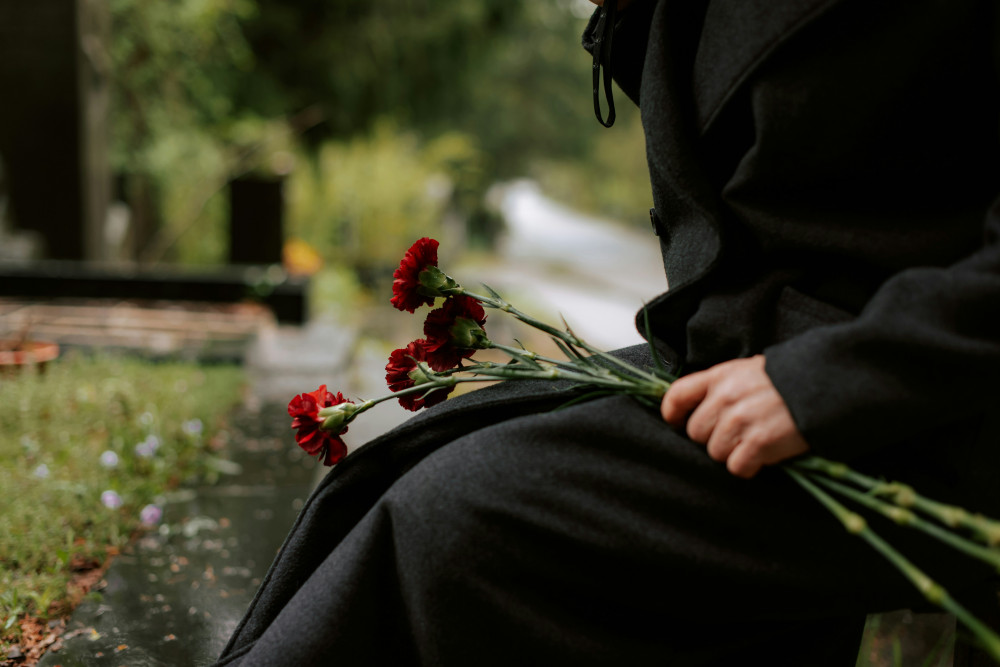
Cemeteries typically have designated areas for urn burials or columbarium walls where urns are placed in niches. The cemetery staff usually assists with the placement, but family members are often welcome to participate—perhaps by lowering the urn, placing flowers, or saying a few words.
For those who prefer a natural setting, some cemeteries and private lands offer “green burial” or scattering gardens. These spaces allow ashes to return to the earth in an environmentally friendly way, often surrounded by trees, wildflowers, and quiet reflection.
Scattering the Ashes
Scattering ashes is another common choice in the U.S., but it’s important to check local regulations first. Ashes can often be scattered on private property with the owner’s permission, in national parks with a permit, or at sea following specific guidelines from the Environmental Protection Agency. Some families choose a meaningful location—a favorite hiking trail, a lake, or a family property—while others hold a formal scattering ceremony with readings and music.
The Memorial Service – A Time to Remember
A memorial service can take place on the day of the funeral, after the urn has been placed, or even weeks or months later. The purpose is to celebrate the life of the person who has passed and to bring people together in remembrance.
There are no strict rules for how a memorial should look. It might be held in a church, a funeral home, a community center, or even a backyard. Some families prefer a traditional service with eulogies, music, and prayers, while others choose a more casual gathering—a shared meal, a walk in nature, or a storytelling evening. What matters most is that it feels authentic and comforting to those who attend.
Personal touches can make the event especially meaningful: displaying photos, playing favorite songs, reading poems, or sharing memories that capture the essence of the person’s life.
Legal and Practical Considerations
In the United States, laws about cremated remains vary by state. Generally, ashes can be kept at home, buried in a cemetery, placed in a columbarium, or scattered in approved locations. If you wish to scatter ashes on private land, you’ll need the landowner’s permission. Funeral directors or cremation providers can help guide you through the legal requirements and paperwork.
It’s also wise to think about long-term arrangements. If the urn will be kept at home, consider what will happen to it in the future—who will take responsibility for it, and whether it might eventually be buried or placed in a memorial site.
Finding Peace After the Farewell
Once the urn has been placed and the memorial service is over, a new phase begins—the quiet time of grief and remembrance. Many people find comfort in visiting the burial site or memorial, lighting a candle, or simply knowing there is a place to go when they want to feel close to their loved one.
Others prefer to honor the memory in daily life—through photos, rituals, or small acts that keep the connection alive. There is no single right way to grieve. What matters is allowing yourself the time and space to find what feels meaningful and healing.
A Lasting Tribute
After the funeral, the focus shifts from logistics to legacy. The placement of the urn and the memorial service are not just formalities—they are opportunities to say goodbye in a way that reflects love, respect, and the unique story of a life well lived. In these moments, memories take shape, and the process of healing quietly begins.
Læs også: