From Deal to Showdown: How a Poker Hand Plays Out Step by Step

From Deal to Showdown: How a Poker Hand Plays Out Step by Step
Poker is a game where strategy, psychology, and luck meet in a thrilling mix. Whether you’re playing a friendly home game or sitting at a table in Las Vegas, every hand follows a clear structure. Understanding that structure is key to making smarter decisions—and to enjoying the game even more. Here’s a step-by-step look at how a typical hand of Texas Hold’em, the most popular poker variant in the United States, unfolds from the first deal to the final showdown.
1. Blinds and the Deal
Every hand begins with two players posting the blinds—the small blind and the big blind. These forced bets make sure there’s always money in the pot to play for. Once the blinds are posted, the dealer gives each player two private cards, known as hole cards.
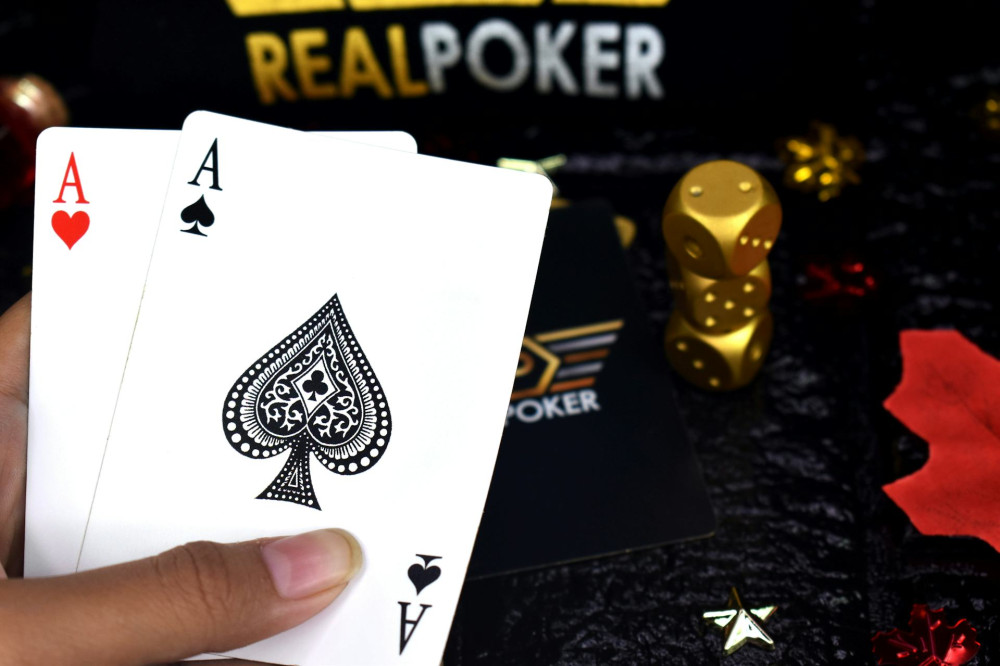
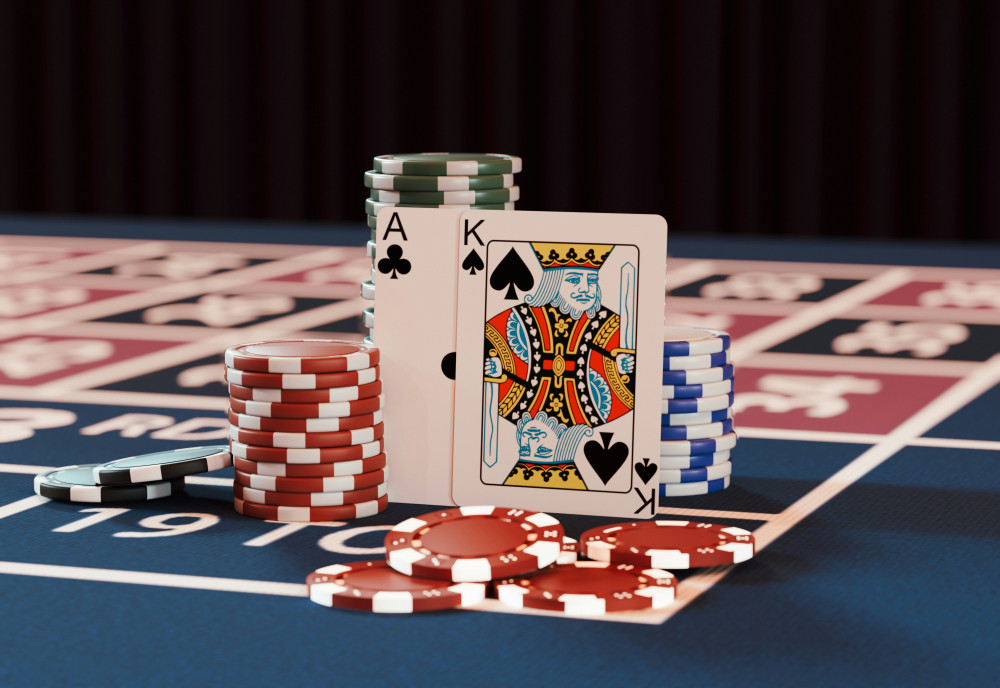
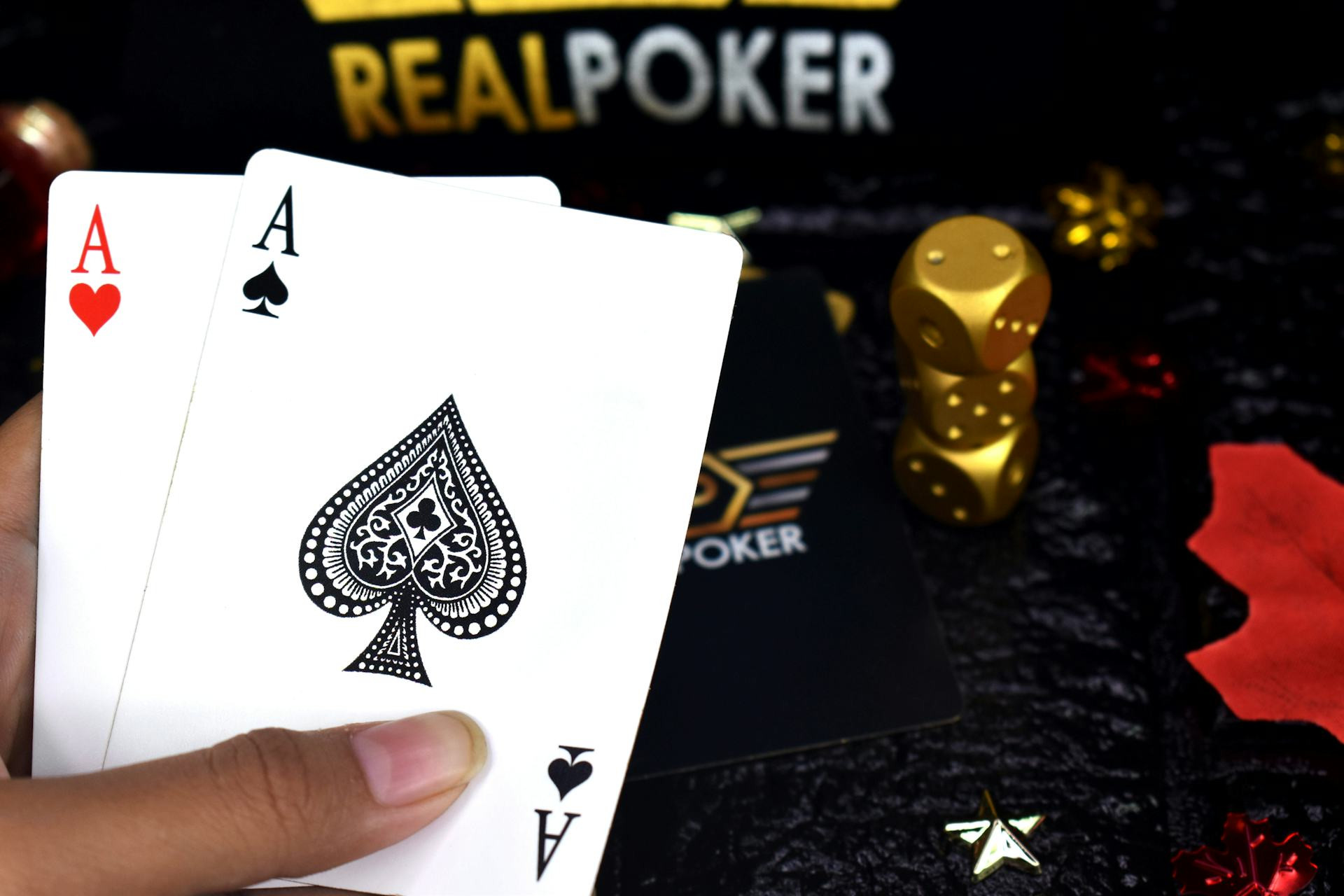
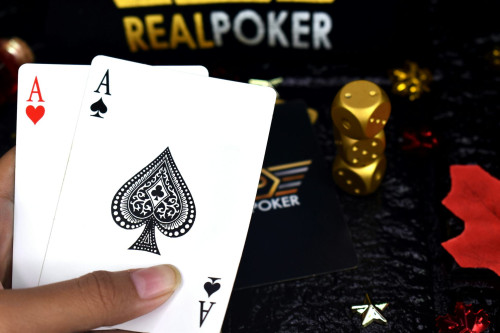
This is where the decision-making starts. Should you play your hand or fold? Premium starting hands like pocket aces or kings are almost always worth playing, while weaker combinations are often best thrown away.
Læs også:


2. The First Betting Round – Pre-Flop
After everyone has their cards, the first betting round begins. The player to the left of the big blind acts first and can fold, call (match the current bet), or raise (increase the bet).
This stage is all about evaluating your cards in relation to your position and your opponents. Being “in position”—acting later in the round—gives you more information about how others are playing, which is a major advantage in poker.
3. The Flop – The First Community Cards
Once the pre-flop betting is complete, the dealer places three cards face up on the table. This is called the flop. These are community cards, shared by all players, and they combine with your hole cards to form the best possible five-card hand.
The flop is a turning point. It’s the first time you can see how your hand might develop. Did you hit a pair, a straight draw, or maybe a flush draw? At the same time, you need to think about how the flop might have helped your opponents.
4. The Second Betting Round
After the flop, another betting round begins. Players can check (pass without betting), bet, call, raise, or fold. This is where psychology really comes into play. A well-timed bet can make opponents fold better hands—or lure them into calling when you’re holding the nuts.
5. The Turn – The Fourth Community Card
When the betting round ends, the dealer places a fourth community card on the table, called the turn. This card can dramatically change the strength of your hand. Maybe you complete your straight, or maybe your top pair suddenly looks vulnerable to a possible flush.
Another betting round follows, often with higher stakes than before. The pot grows, and so does the pressure.
6. The River – The Final Community Card
The fifth and final community card, known as the river, is dealt face up. Now all cards are visible, and every player knows exactly how strong their hand is. This is the moment of truth: some players make one last bluff, while others try to extract maximum value from their strong hands.
A final betting round takes place, and then it’s time for the showdown.
7. The Showdown – Revealing the Hands
If more than one player remains after the last round of betting, it’s time to show the cards. The player who made the last bet or raise reveals their hand first. The best five-card combination—made from each player’s two hole cards and the five community cards—wins the pot.
Hand rankings go from high card all the way up to a royal flush. If two or more players have the same hand, the pot is split evenly.
8. A New Hand – and a Fresh Start
Once the winner is determined, the cards are collected, the dealer button moves one seat clockwise, and the blinds rotate. A new hand begins. Each round is a fresh opportunity, but the knowledge you’ve gained—who bluffs, who plays tight—can give you a valuable edge.
From Chance to Strategy
While luck plays a role in poker, it’s strategy that determines long-term success. Understanding the structure of a hand helps you think several moves ahead, read your opponents, and choose the right moments to bet or fold.
Next time you sit down at the table, think of each hand as a short story—from the first deal to the final showdown. And like any good story, it’s not always the one who starts strongest who ends up taking the prize.
Læs også: