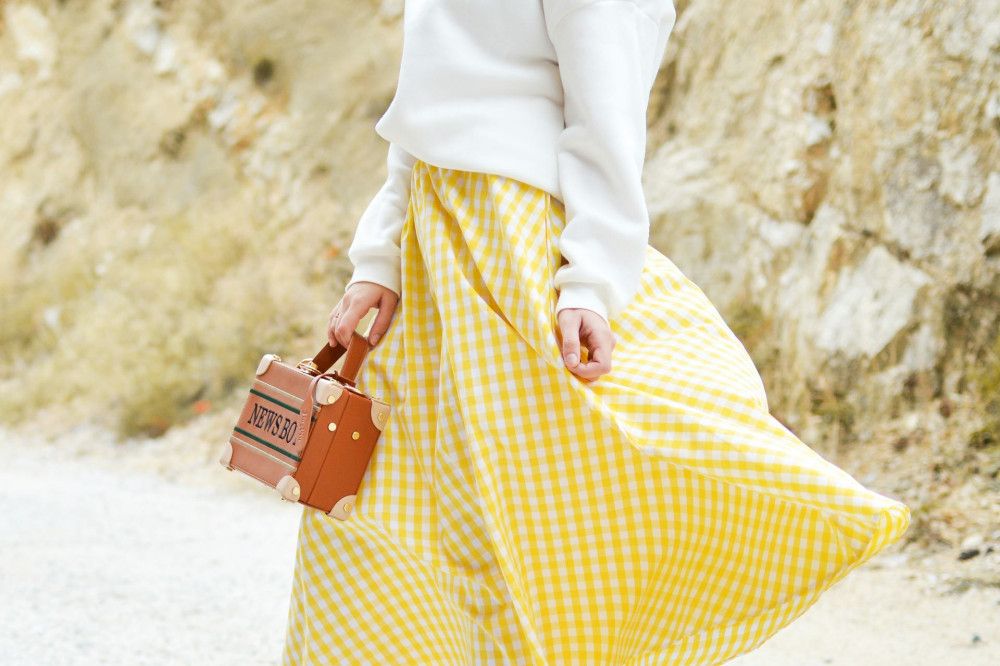
Layer Up: Practical and Versatile Everyday Wear for All Seasons

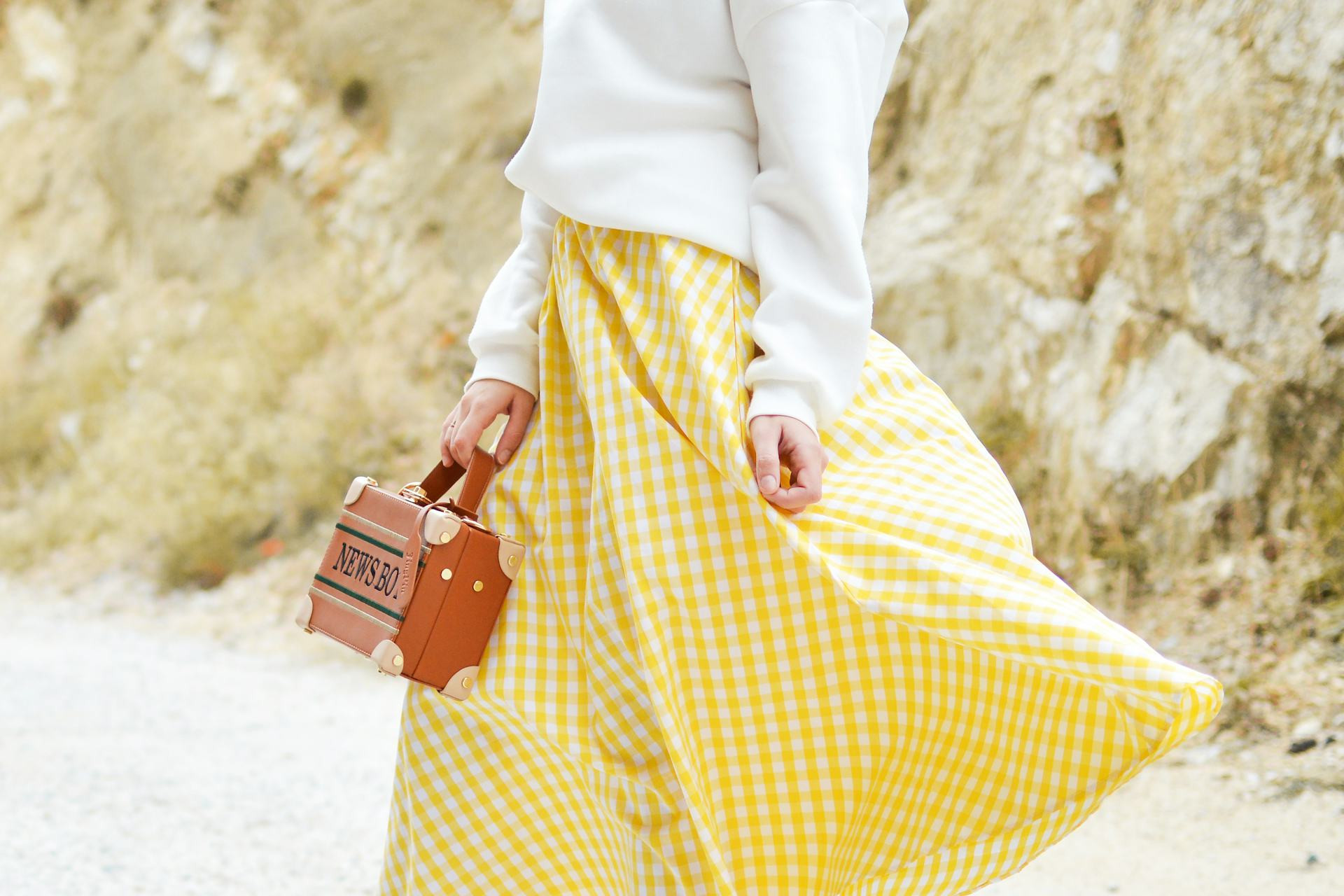
Layer Up: Practical and Versatile Everyday Wear for All Seasons
Layering isn’t just about staying warm—it’s a smart, flexible way to dress that helps you adapt to changing temperatures, activities, and seasons. Whether you’re commuting to work, running errands, or spending time outdoors, layering gives you the freedom to adjust your comfort level without sacrificing style. Here’s a guide to making layering work for your everyday life—all year round.
The Basics of Layering
The layering principle is built around three key functions: moving moisture away from your skin, trapping warmth, and protecting against the elements. Each layer has a purpose, and together they form a system that can be adjusted as needed.
- Base layer – wicks moisture away from your skin to keep you dry.
- Mid layer – provides insulation and retains body heat.
- Outer layer – shields you from wind, rain, and snow.
By combining these layers strategically, you can easily add or remove one as the weather or your activity level changes.
The Base Layer – Comfort and Moisture Control
The base layer sits closest to your skin, so it needs to manage sweat effectively. Avoid cotton—it absorbs moisture and stays damp. Instead, choose materials like merino wool, wool blends, or synthetic fabrics such as polyester or nylon.
- For winter: Merino wool is ideal—it keeps you warm even when damp and resists odor better than synthetics.
- For summer: Lightweight synthetic or thin wool-blend tops help you stay dry and comfortable, even on hot days.
The Mid Layer – Insulation and Flexibility
The mid layer is all about warmth. It traps air close to your body, creating insulation without adding bulk. Fleece, wool sweaters, and lightweight down jackets are classic choices.
- For cool days: A fleece or knit sweater provides warmth without overheating.
- For winter: A lightweight down or synthetic puffer adds extra insulation under a shell jacket.
- For transitional weather: A vest keeps your core warm while allowing your arms to breathe.
The mid layer is also where you can play with color and texture—it often shows when you take off your outer jacket.
The Outer Layer – Protection from the Elements
Your outer layer is your shield against wind, rain, and snow. The right choice depends on your activity level and the weather conditions.
- Shell jacket: Lightweight, windproof, and water-resistant—perfect for rainy or windy days.
- Softshell: Breathable and flexible, great for active use in cool, dry weather.
- Wool coat or trench coat: A polished option for city life that still works well with warm layers underneath.
A good outer layer doesn’t have to be heavy. Modern materials offer both protection and freedom of movement.
Layering for Everyday Life
Layering isn’t just for hiking or camping—it’s just as useful for daily wear. A T-shirt under a button-down, a sweater on top, and a light jacket over that creates a look that’s both stylish and practical. You can easily adjust as you move from indoors to outdoors or from your car to the office.
- For work: Pair a thin merino sweater with a blazer or cardigan.
- For casual days: Try a T-shirt, fleece, and lightweight jacket—ready for both city streets and weekend getaways.
- For travel: Layering makes it easy to adapt to different climates without overpacking.
Materials That Make a Difference
When layering, the materials you choose matter. Wool and synthetics each have their strengths, and often a combination works best.
- Wool: Natural, temperature-regulating, and odor-resistant.
- Synthetic fabrics: Quick-drying, lightweight, and durable.
- Cotton: Comfortable, but best as an outer layer in dry conditions since it doesn’t wick moisture.
Consider sustainability, too—many brands now offer recycled fabrics and certified wool that are both eco-friendly and long-lasting.
Læs også:



How to Adjust Layers by Season
- Spring: Light base layer, thin fleece, and a windbreaker.
- Summer: One or two layers—like a T-shirt and a light overshirt—with a rain jacket in your bag.
- Fall: Wool base layer, sweater, and shell jacket.
- Winter: Wool base, insulating mid layer, and windproof outer shell.
By adjusting your layers to the season, you create a wardrobe system that works year-round—without needing to buy new clothes for every change in weather.
Layering as a Lifestyle
Ultimately, layering is about practicality and flexibility. It gives you the freedom to move between activities and temperatures without losing comfort or style. It’s also a sustainable approach to dressing—using what you already own in multiple ways and investing in quality over quantity.
Once you experience how easy it is to adjust a layer instead of changing your entire outfit, layering quickly becomes second nature—no matter the season.
Læs også: