Overtraining in Women – How to Learn to Listen to Your Body’s Signals

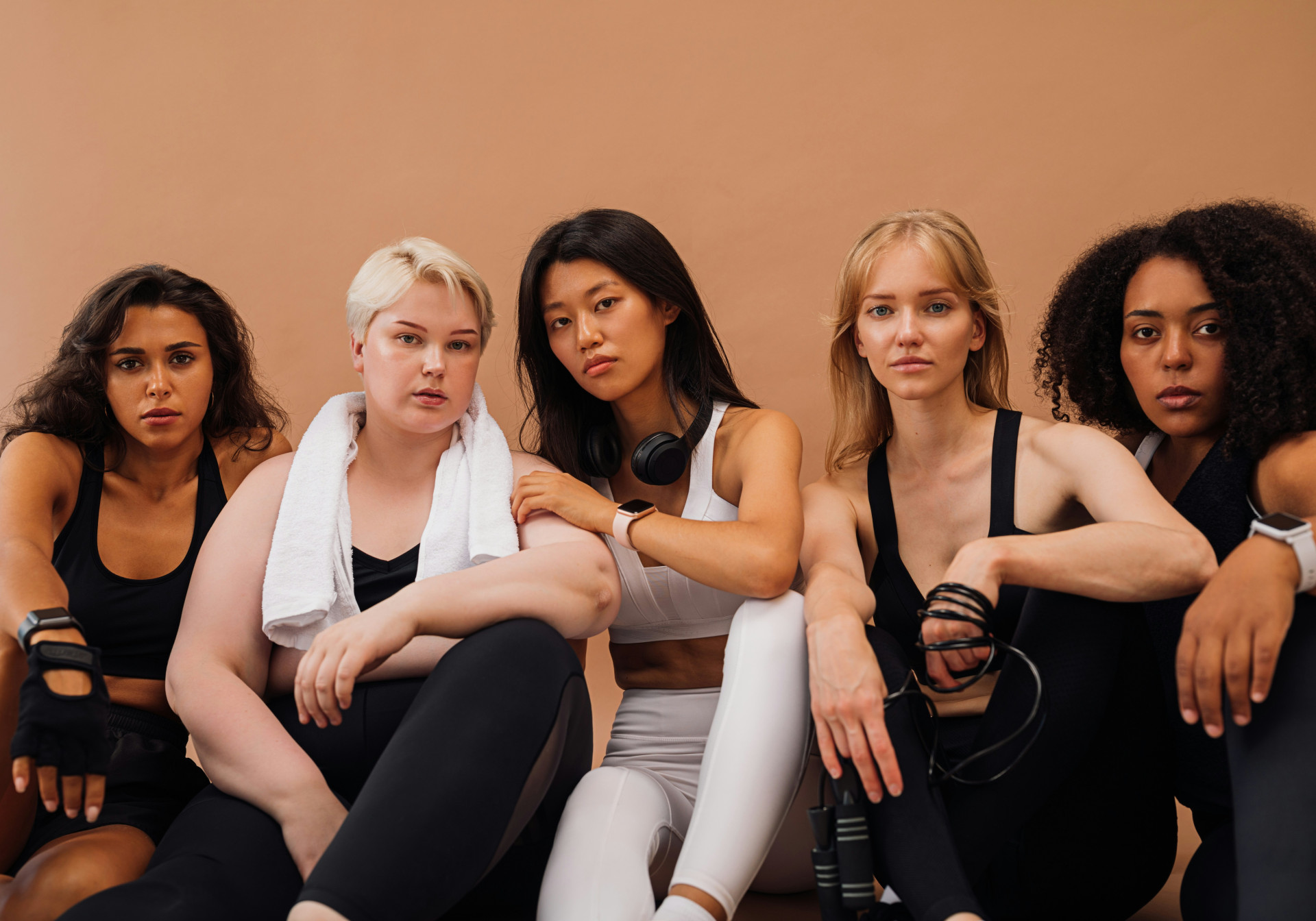
Overtraining in Women – How to Learn to Listen to Your Body’s Signals
For many women, exercise is more than just a way to stay fit – it’s a source of energy, confidence, and mental clarity. But when workouts become too intense, too frequent, or too one-sided, the benefits can quickly turn into exhaustion, injury, and hormonal imbalance. Overtraining is often overlooked because it hides behind good intentions and high motivation. Here’s how to recognize your body’s warning signs and find a healthy balance between training and recovery.
What Is Overtraining?
Overtraining happens when your body doesn’t get enough time to recover between workouts. Muscles, joints, and the nervous system need rest to rebuild and adapt. Without it, the body starts to break down instead of getting stronger.
For women, overtraining can have unique consequences because hormonal balance is closely tied to energy availability and recovery. When intense exercise is combined with too few calories, it can lead to irregular or missed periods, fatigue, and decreased bone density – a condition often referred to as the female athlete triad or, more broadly, Relative Energy Deficiency in Sport (RED-S).
Common Signs of Overtraining
Your body usually sends clear signals when it’s under too much stress – the challenge is learning to listen. Some of the most common signs include:
- Persistent fatigue – feeling drained even after a full night’s sleep.
- Declining performance – workouts feel harder, and progress stalls or reverses.
- Sleep disturbances – restlessness or trouble falling asleep.
- Frequent injuries or soreness – especially in joints and tendons.
- Mood changes – irritability, anxiety, or loss of motivation.
- Irregular menstrual cycles – a sign that your body is conserving energy and struggling to maintain hormonal balance.
If you notice several of these symptoms, it may be time to scale back your training intensity and give your body more rest.
Why Women May Be More Vulnerable
Women’s hormonal and energy systems are more sensitive to stress and calorie restriction than men’s. Many women also face social pressure to be strong, lean, and constantly active, which can make it harder to slow down or take rest days.
The menstrual cycle also plays a role in how the body responds to exercise. During the first half of the cycle (the follicular phase), energy levels and recovery capacity are often higher. In the second half (the luteal phase), the body may need more rest and nutrition. Adjusting your training to align with these natural fluctuations can help prevent overtraining and improve performance.
Finding the Right Balance
Avoiding overtraining isn’t about doing less – it’s about training smarter. Here are some strategies to help you maintain balance:
- Schedule rest days – recovery is an essential part of progress, not a sign of laziness.
- Mix up your workouts – alternate between strength training, cardio, and low-impact activities like yoga, Pilates, or walking.
- Fuel your body properly – eat enough calories and include a variety of nutrients to support recovery.
- Prioritize sleep – aim for 7–9 hours per night to restore energy and regulate hormones.
- Listen to your body – if you feel unusually tired, sore, or moody, take a step back.
Keeping a training journal can also help you track your workouts, sleep, and mood. Over time, you’ll start to notice patterns and catch early signs of overtraining before they become serious.
Læs også:



When Rest Feels Difficult
For many women, taking a break from exercise can feel uncomfortable. You might worry about losing progress or feel guilty for resting. But rest is not a setback – it’s an investment in your long-term health and performance.
Use recovery periods to focus on activities that bring calm and joy: gentle stretching, nature walks, meditation, or spending time with friends. These moments of rest help both your body and mind reset.
Trust Your Body’s Wisdom
Your body is smarter than you think. It communicates when something is off – you just have to listen. Overtraining isn’t a sign of weakness; it’s a signal that you’ve pushed beyond what your body can handle right now. By respecting your body’s limits and giving it the rest it needs, you’ll not only perform better but also rediscover the joy of movement.
Læs også: