Create Rhythm in Your Space: Repeat Shapes and Materials for a Harmonious Home

Create Rhythm in Your Space: Repeat Shapes and Materials for a Harmonious Home
When a room feels calm and cohesive, it’s rarely by accident. Behind that sense of harmony often lies a deliberate use of repetition—of shapes, colors, and materials. Repetition creates rhythm, and rhythm brings balance. It’s one of the most effective yet often overlooked tools in interior design. Here’s how you can use repetition to create a home that feels both peaceful and full of life.
Why Repetition Works
Humans are naturally drawn to patterns and familiarity. When the eye encounters the same shapes or materials throughout a space, it senses order and rhythm, making the room easier to read and more comfortable to be in. It’s like a song where recurring melodies tie everything together.
Too many unrelated elements, on the other hand, can make a space feel chaotic. Repetition isn’t about making everything look the same—it’s about creating a visual thread that connects the parts into a whole.
Repeat Shapes—from Big Statements to Small Details
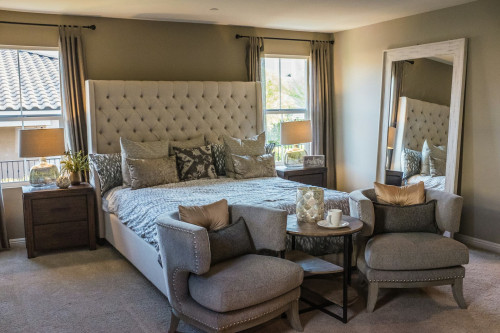
Shapes set the foundation for a room’s rhythm. Rounded, soft forms create a relaxed, organic feel, while angular, geometric shapes bring structure and modernity. By repeating a certain type of shape, you can give your space a clear identity.
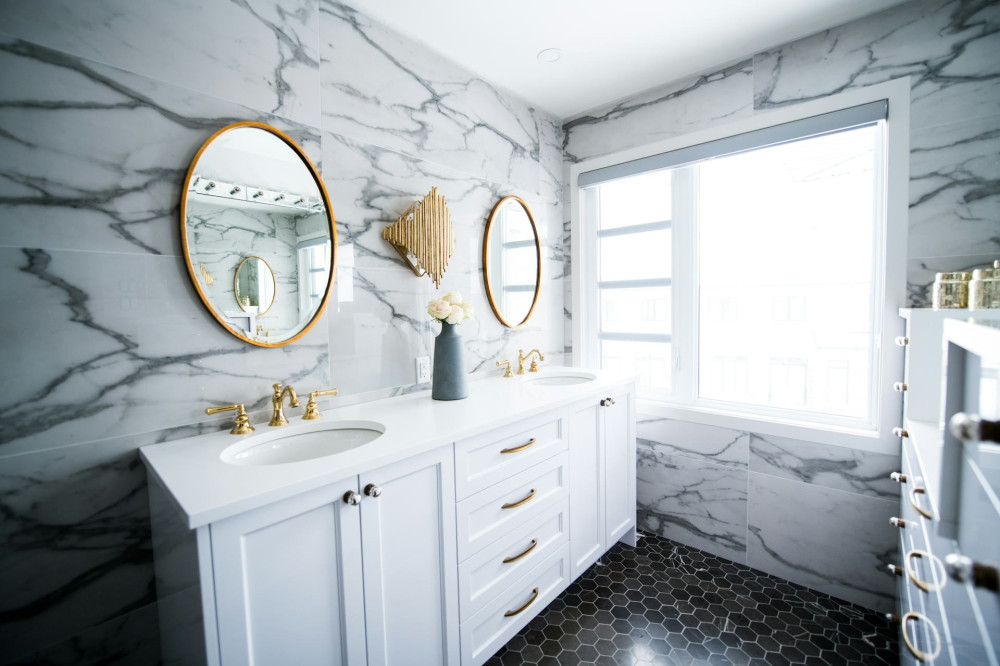
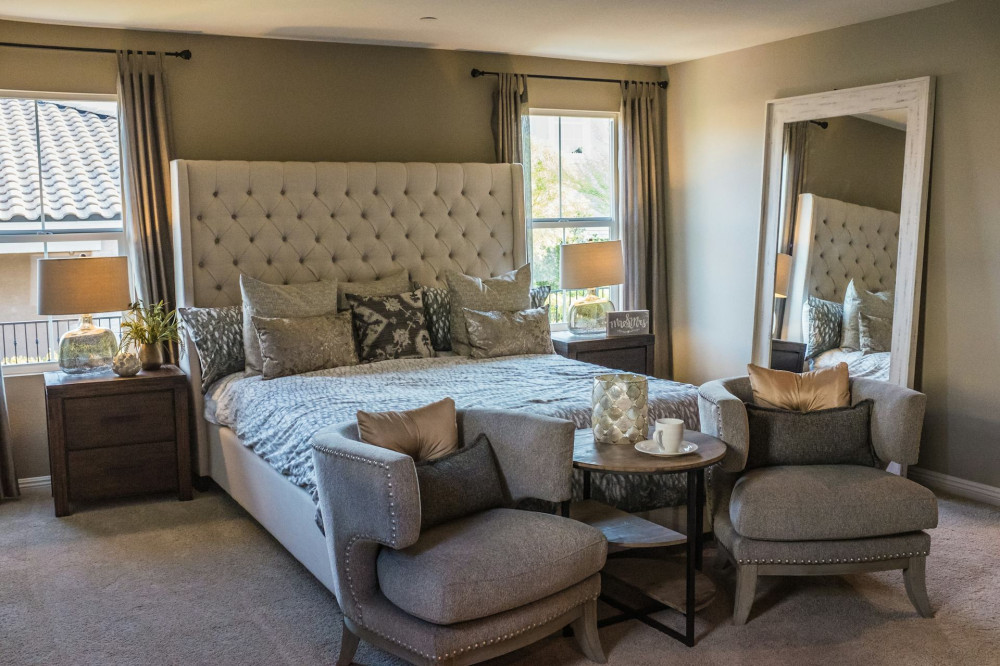
- Round shapes: Echo circles in mirrors, light fixtures, and coffee tables for a soft, inviting look.
- Angular shapes: Use squares or rectangles in shelving, picture frames, and tiles for a more graphic, orderly feel.
- Organic lines: Repeat flowing, curved forms in textiles, vases, or patterns to add movement and ease.
The key is to let repetition feel natural—not forced, but emerging from thoughtful choices that build a sense of rhythm.
Create Cohesion with Materials
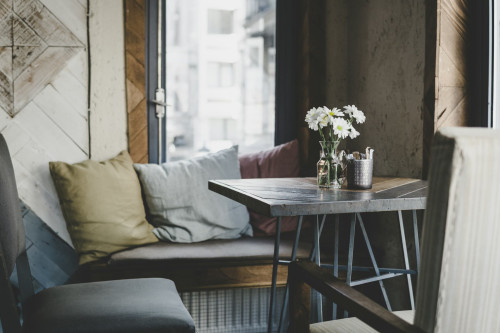
Materials have a powerful influence on how a room feels. Wood, stone, metal, and fabric each bring their own texture and temperature. When you repeat them across furniture and accents, you create a sense of unity.
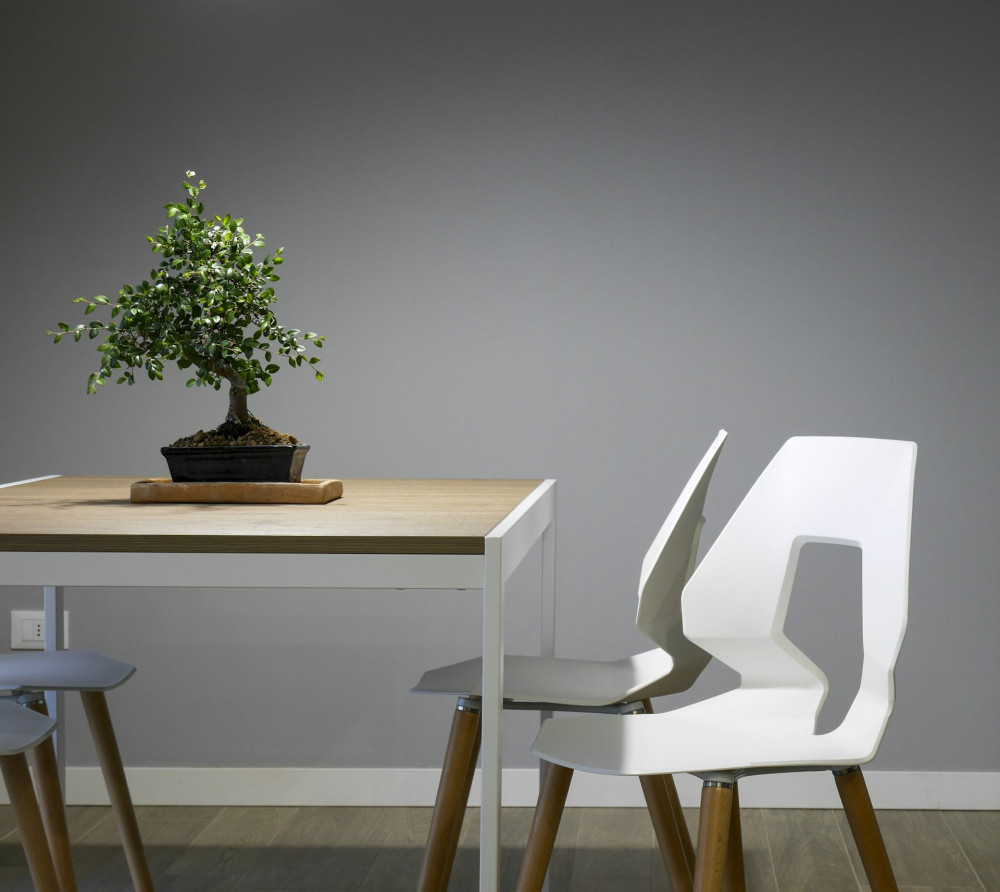
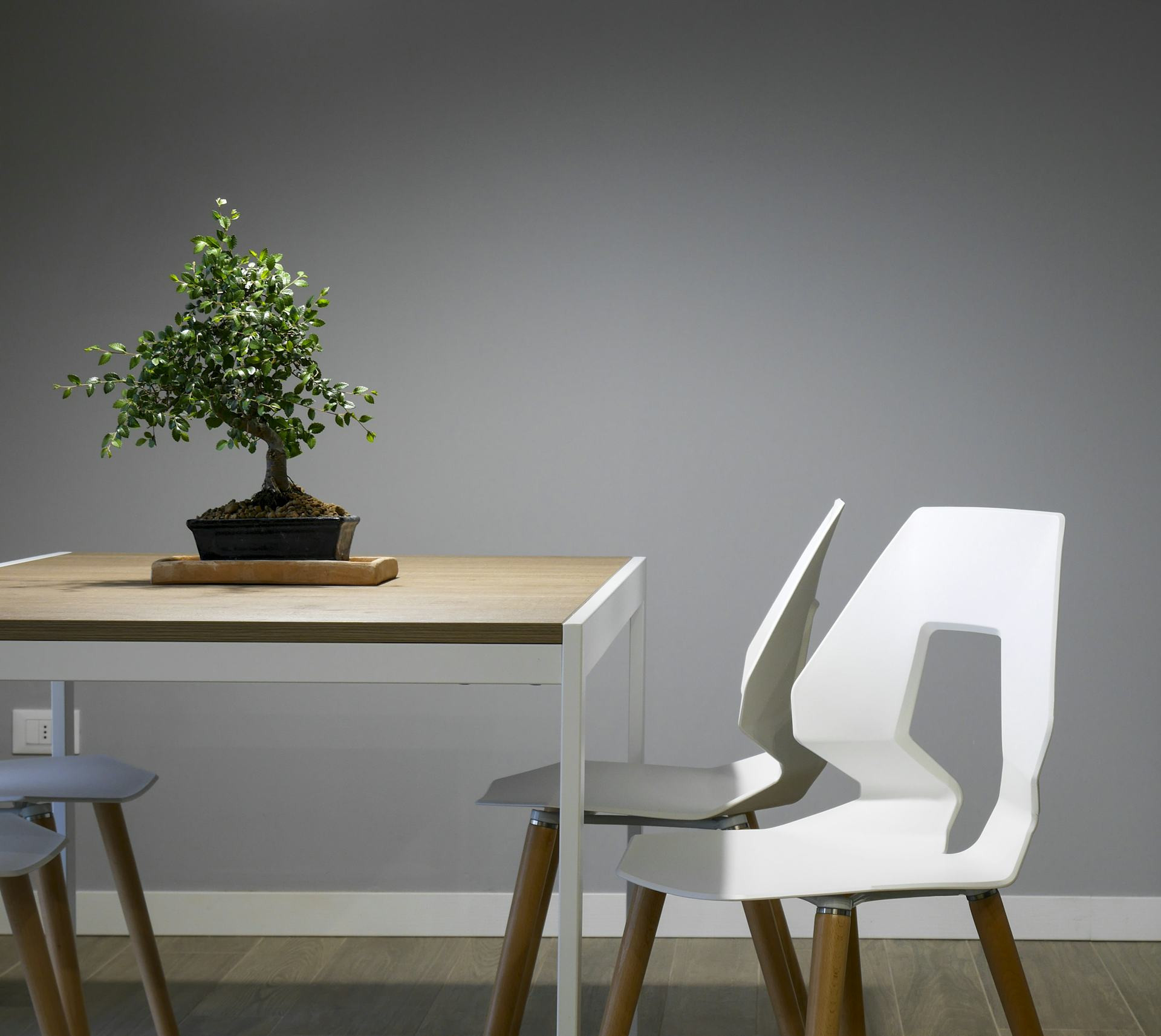
For example, if you have an oak dining table, you might echo that wood tone in picture frames, shelving, or a lamp base. The finishes don’t have to match exactly—just share a similar tone or grain. Likewise, a brass detail from a pendant light can reappear in cabinet pulls, candleholders, or mirror frames.
This repetition helps the eye recognize familiar elements, making the space feel balanced even if your style mixes different influences.
Use Color to Build Rhythm
Color is one of the most powerful tools for creating rhythm. When a hue appears in different shades or materials, it ties the room together. Maybe it’s a soft sage green that shows up in throw pillows, plants, and artwork, or a warm terracotta that repeats in ceramics, rugs, and textiles.
A good rule of thumb is to choose two or three main colors and let them appear in varying amounts. This creates movement without clutter. Use neutral tones as a base and let bolder colors act as rhythmic accents.
Extend the Rhythm Throughout Your Home
Rhythm doesn’t stop at the doorway. When you repeat materials or colors across rooms, your home feels more connected. It could be consistent flooring, a recurring wall color, or matching hardware on doors and cabinets.
Even small echoes—a similar lamp shape, a fabric texture, or a color tone—can create subtle links between spaces. These connections make transitions from one room to another feel smooth and intentional.
Break the Rhythm with Purposeful Contrast
While repetition brings calm, too much sameness can make a space feel flat. That’s why it’s important to introduce contrast. A single chair in a different color, a bold piece of art, or a light fixture in a new material can act as a visual “beat” that enlivens the composition.
Think of it like music: rhythm provides the structure, but variation keeps it interesting.
Læs også:
How to Get Started
- Observe your space. Notice which shapes and materials already repeat—and where you could strengthen the connections.
- Choose your rhythm. Decide which elements you want to echo: colors, shapes, or materials.
- Layer intentionally. Start with large surfaces (floors, walls, furniture) and build up with details (textiles, décor, lighting).
- Step back and assess. Look at the room as a whole. Does it feel balanced and calm? If something stands out, ask whether it’s a deliberate contrast or an unintentional distraction.
Working with repetition isn’t about following strict rules—it’s about finding flow. A harmonious home doesn’t have to be perfect; it’s a place where your eyes and mind can rest because everything feels naturally connected.
Læs også: