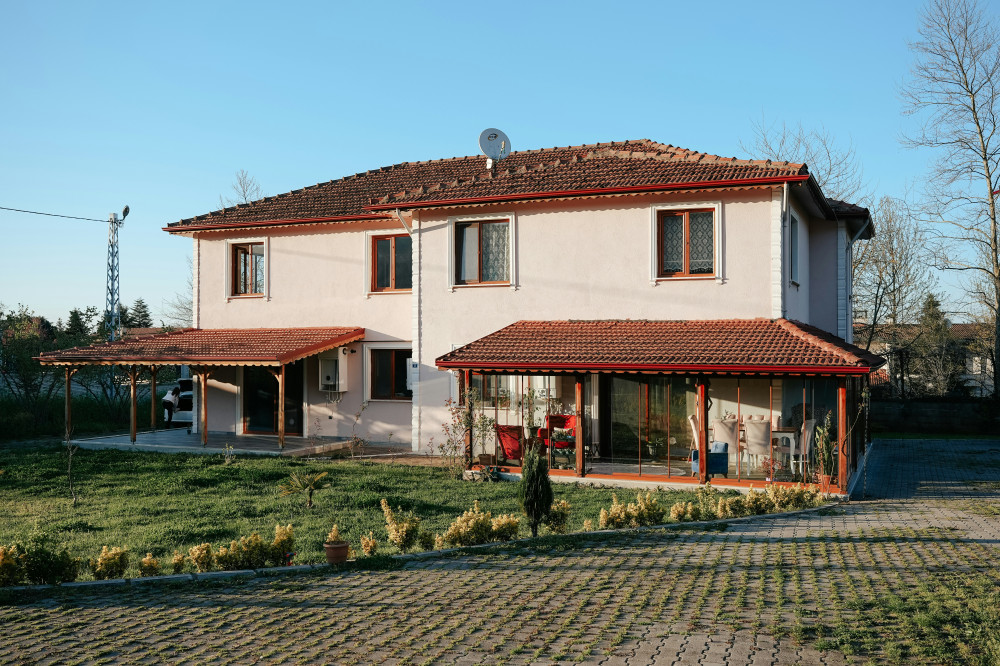
Fewer but Stronger Design Choices: Minimalism with Character

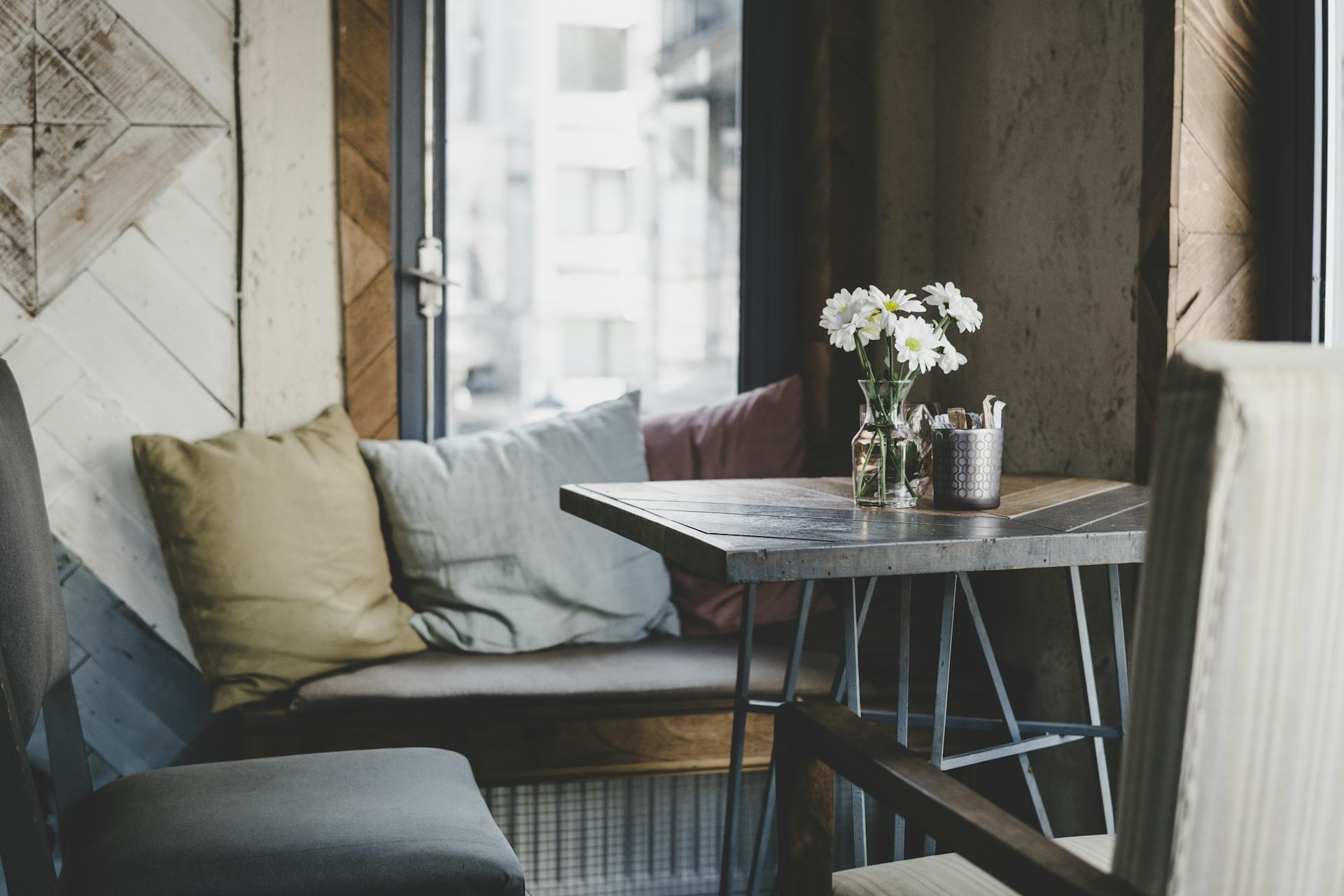
Fewer but Stronger Design Choices: Minimalism with Character
For years, minimalism has been associated with clean lines, neutral colors, and a lack of clutter. But today, minimalism is evolving. It’s no longer just about having less—it’s about choosing better. Fewer, but stronger design choices can create homes that feel calm, intentional, and deeply personal. This is minimalism with character.
When Less Becomes More—with Meaning
Minimalism isn’t a style so much as a mindset. It’s about creating spaces where everything has a purpose or a story. Instead of filling your home with objects that simply occupy space, you focus on what truly matters—both aesthetically and emotionally.
A minimalist home doesn’t have to feel cold or empty. The key is to let the few pieces you choose carry weight and personality. A handmade ceramic bowl, a vintage chair, or a piece of art you love can stand out beautifully when the surroundings don’t compete for attention.
Colors and Materials with Depth
The new wave of minimalism embraces warmth and texture. Instead of stark white-on-white interiors, we’re seeing natural materials like wood, stone, linen, and clay take center stage. These elements bring depth and comfort to simple spaces. The color palette remains subdued, but it’s richer—think earthy browns, soft greens, and warm neutrals that create serenity without sterility.
When you work with fewer colors, the quality of materials becomes even more important. A matte finish, a visible grain, or a handcrafted detail can add authenticity and soul to a room.
Læs også:
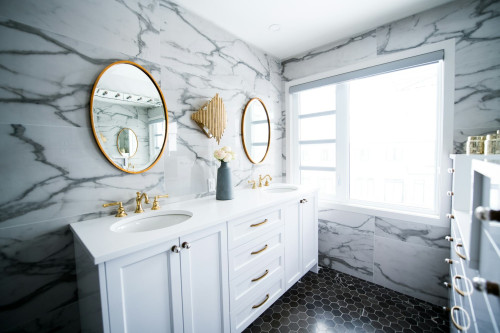
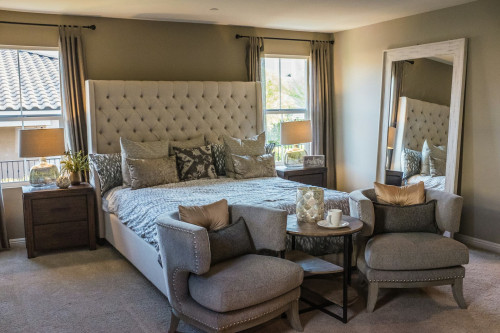
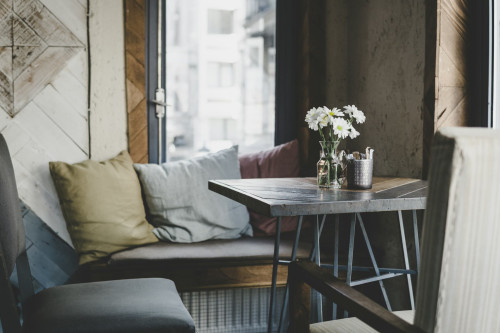
Fewer Pieces, Greater Impact
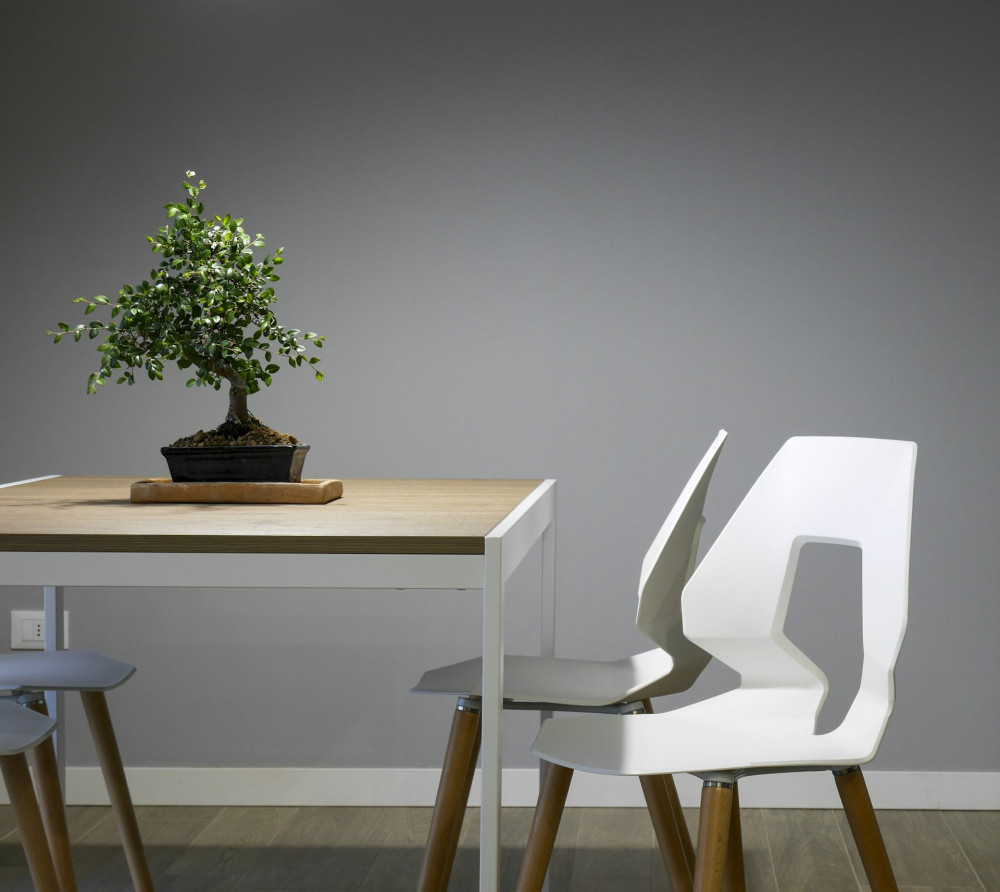
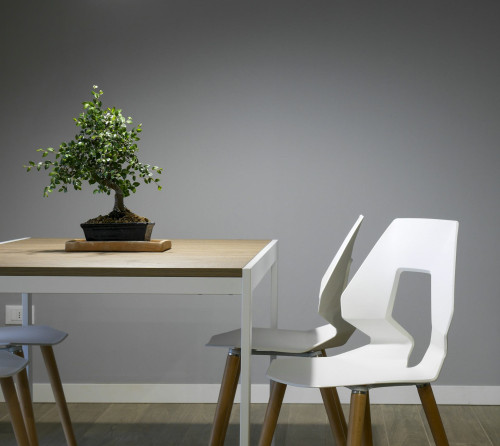
A minimalist home doesn’t require many furnishings, but the ones you choose should be meaningful and well-made. A sofa with a timeless silhouette in a tactile fabric, a solid wood dining table that ages gracefully, or a sculptural chair that’s as comfortable as it is striking—each piece should earn its place.
Reducing the number of items allows each one to shine. It creates a sense of balance and calm—and makes everyday living simpler and more intentional.
Light and Space as Design Tools
Light is one of the most powerful elements in minimalist design. Natural light should flow freely, while artificial lighting can be used to highlight mood rather than dominate a space. Simple fixtures with soft forms or hidden light sources can create a tranquil atmosphere.
Equally important is the use of space itself. Empty walls or open surfaces might feel unusual at first, but these pauses give the eye room to rest. In minimalism, what you leave out is just as important as what you include.
Personality Through a Few, Bold Choices
Minimalism with character doesn’t mean stripping away everything personal—it means curating what truly reflects you. A framed photograph, a stack of well-loved books, or a single piece of art can say more about you than a dozen decorative objects. When given space to breathe, these items become part of the room’s identity.
The same goes for color and form. A single accent wall, a bold-toned chair, or a distinctive light fixture can add personality without disrupting the overall calm.
A Lifestyle, Not Just an Aesthetic
More than a design trend, minimalism has become a lifestyle choice. It’s about valuing quality over quantity, buying less but better, and creating environments that support a slower, more mindful way of living.
When you surround yourself with fewer things, you appreciate them more. It’s not just about a beautiful home—it’s about a life with more clarity, focus, and ease.
A Home with Calm—and Character
Minimalism with character isn’t a formula; it’s a balance. It’s about finding that point where simplicity meets personality—where a space feels light yet alive. With fewer but stronger design choices, your home can tell your story with quiet confidence.
Læs også: