Handicrafts Through the Ages: Traditions That Continue to Inspire

Handicrafts Through the Ages: Traditions That Continue to Inspire
For centuries, handicrafts have been an essential part of daily life—born out of necessity, yet deeply tied to creativity and culture. From early handwoven baskets and patchwork quilts to modern DIY projects and sustainable craft movements, handmade work has evolved alongside society. Still, today’s crafting culture carries the imprint of the past. Creating with our hands is not only about making something tangible—it’s also about preserving a connection to history, community, and self-expression.
From Utility to Art
In earlier times, handicrafts were primarily practical skills. Families made their own clothing, quilts, and household items, often using materials they produced themselves. Each region developed distinctive patterns and techniques, passed down through generations. A quilt’s design could tell a story about a family’s heritage, while a woven rug might reflect the colors and textures of a particular landscape.
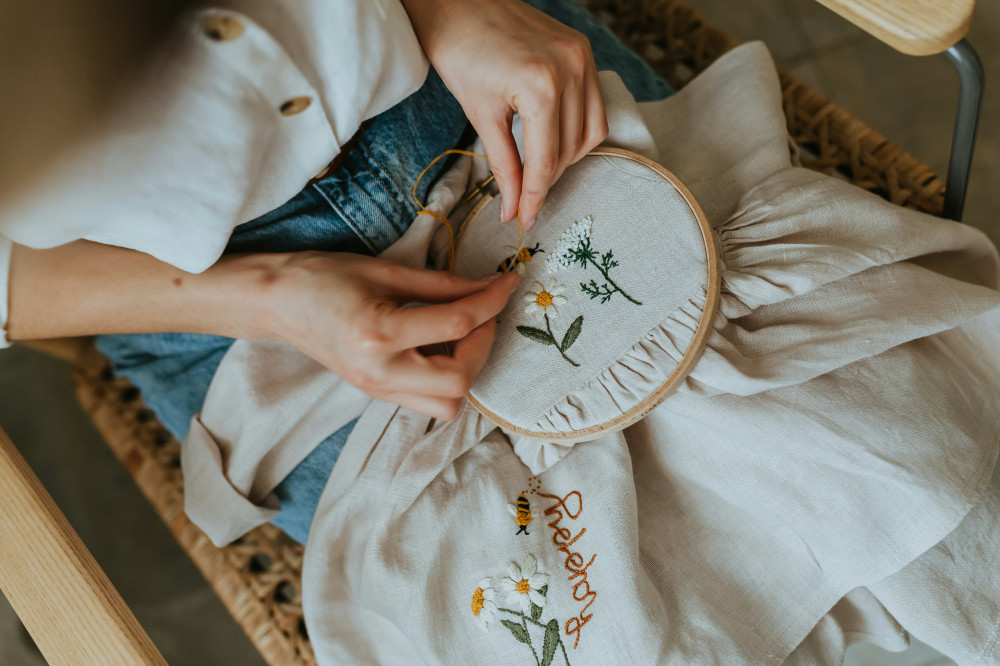
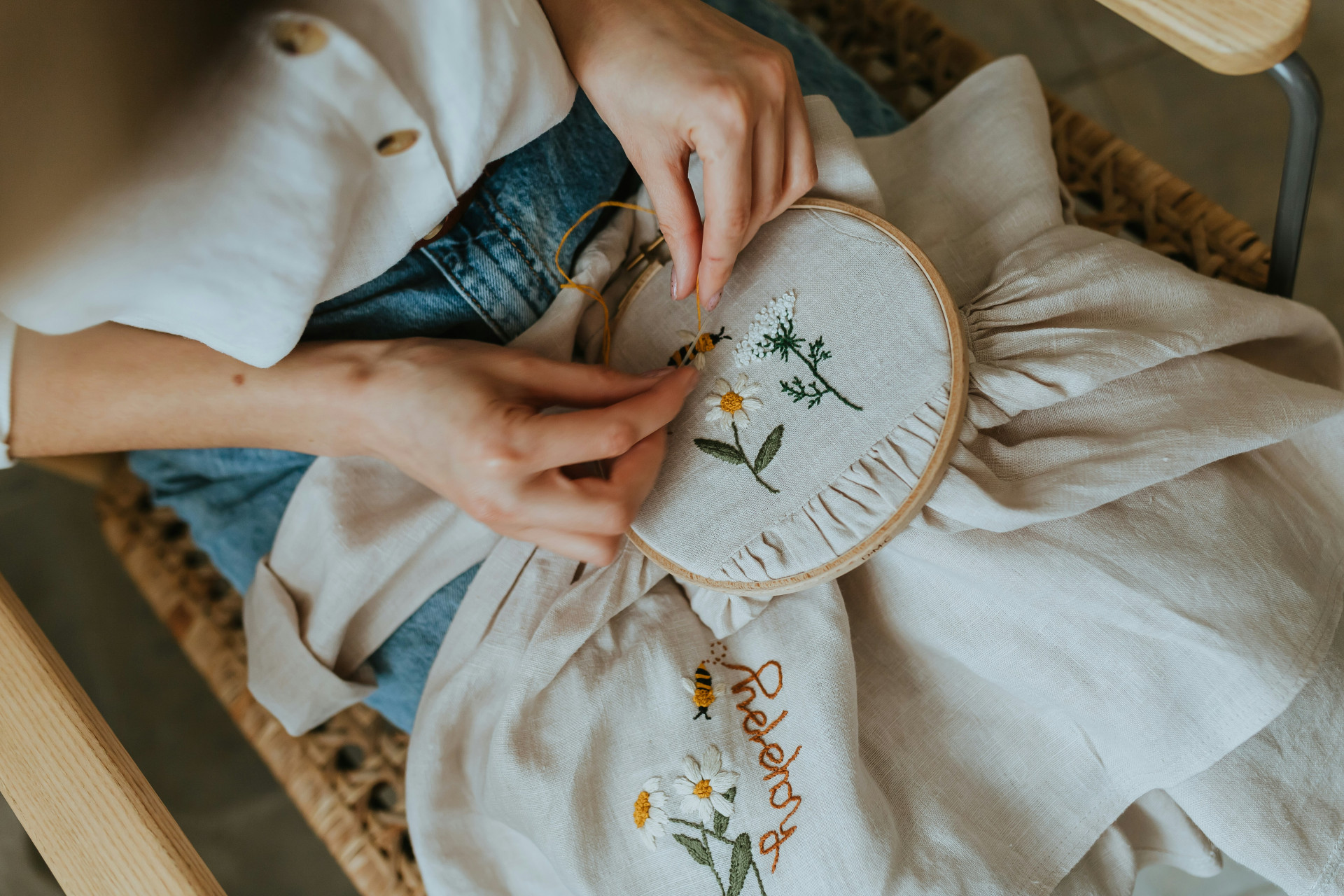
With the rise of industrialization in the 19th century, handmade goods became less essential for survival, but they did not disappear. Instead, many people began to view handicrafts as an art form—a way to express individuality and creativity. Embroidery, quilting, and woodworking became symbols of patience, skill, and aesthetic sensibility.
Læs også:


Crafting as Community
Handicrafts have always brought people together. In small towns and rural communities across America, quilting bees, sewing circles, and barn-raising events were as much about social connection as they were about productivity. These gatherings allowed people—especially women—to share knowledge, stories, and support.
Today, that sense of community continues in new ways. Knitting groups, maker spaces, and online crafting communities connect people across generations and backgrounds. Whether meeting in a local library or sharing projects on social media, crafters find joy not only in creating but also in belonging. In a fast-paced, digital world, many turn to handicrafts as a way to slow down, focus, and reconnect with others.
Tradition Meets Innovation
Though rooted in old techniques, modern handicrafts are anything but outdated. Contemporary makers experiment with new materials, colors, and forms. Sustainability has become a central theme—old fabrics are repurposed into bags or clothing, and leftover yarn becomes vibrant blankets. The “make do and mend” philosophy of earlier generations has found new life in today’s eco-conscious culture.
Digital technology has also transformed the craft world. Online tutorials, virtual workshops, and social media platforms have made it easier than ever to learn and share. A new generation of crafters blends traditional skills with modern tools, proving that handmade artistry can thrive in the digital age.
Crafting for Well-Being and Identity
Research increasingly shows that crafting can have therapeutic benefits. The repetitive motions of knitting or carving, the focus required for embroidery, and the satisfaction of completing a project can all promote relaxation and mindfulness. For many, crafting becomes a form of meditation—a quiet space in a noisy world.
At the same time, handicrafts have become a way to express identity and values. Handmade clothing and home décor reflect care, creativity, and individuality. In an era dominated by mass production, choosing to make something by hand is a statement of authenticity and intention.
A Living Heritage
Handicrafts are more than hobbies—they are a living heritage that continues to evolve. When we sew, weave, or carve today, we carry forward techniques that have been refined over centuries, while adding our own interpretations. This blend of tradition and innovation keeps the craft world vibrant and relevant.
Ultimately, handicrafts remind us that beauty and meaning can be created with our own hands. They connect us to those who came before and inspire us to shape the future—one stitch, one thread, one handmade piece at a time.
Læs også: