Use Your Hobby as a Springboard to New Interests and Skills


Use Your Hobby as a Springboard to New Interests and Skills
A hobby is often something we associate with relaxation and enjoyment—a break from the demands of everyday life. But your hobby can be much more than that. It can become a springboard to new interests, skills, and even a new direction in life. Whether you love woodworking, gardening, photography, or playing an instrument, your pastime holds potential for growth that you may not have discovered yet.
From Curiosity to Competence
Most hobbies begin with curiosity. You try something new because it looks fun or because you need a change of pace. But as you dive deeper, you start learning—often without realizing it. You develop patience, creativity, problem-solving skills, or technical understanding.
Someone who starts baking as a hobby might learn about chemistry, precision, and design. A gardener gains insight into ecology, sustainability, and the rhythm of the seasons. A musician hones focus, teamwork, and the ability to listen. These are valuable skills that reach far beyond the boundaries of the hobby itself.
When a Hobby Opens New Doors
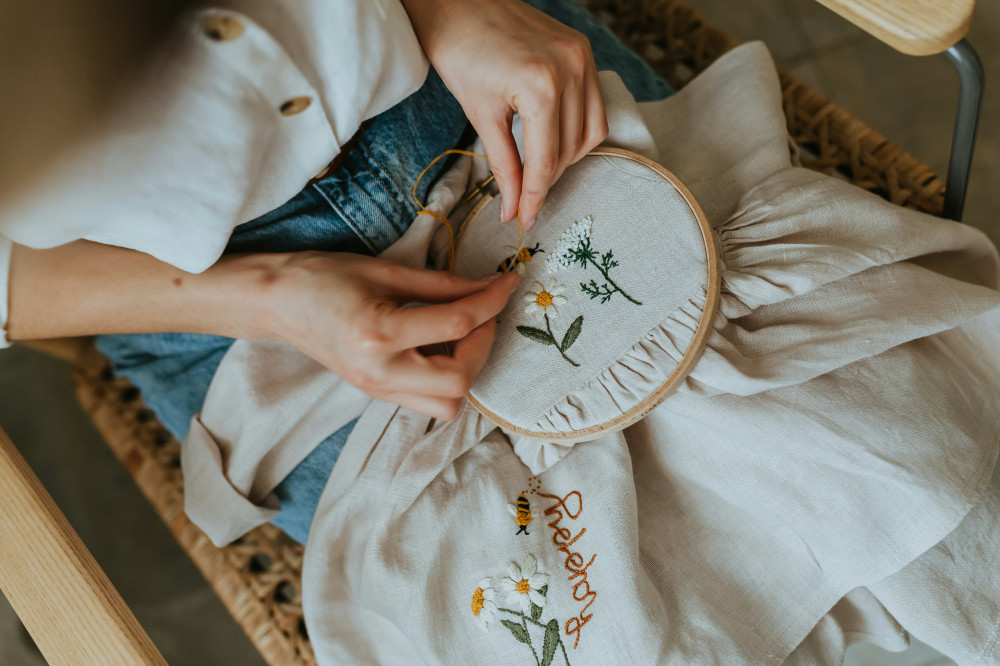
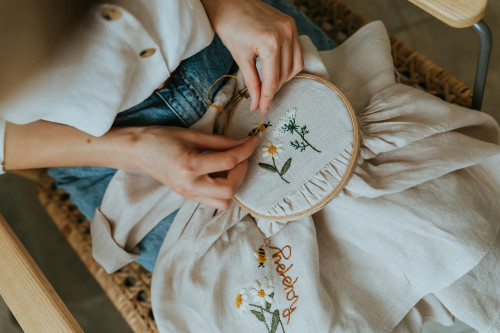
Many people find that their hobby leads them to new interests. A photographer might develop a passion for conservation after spending time in nature. A runner might discover a love of travel by participating in races across the country. A crafter might become curious about design, marketing, or even starting a small business.
The key is to stay open to the connections that appear. When you follow your curiosity, you can uncover new sides of yourself—and perhaps find communities you never knew existed.
Læs også:



The Power of Community
One of the greatest gifts of having a hobby is the sense of community it brings. Whether you meet in person at a local club or connect online, it’s energizing to share your passion with others who care about the same things. You can exchange ideas, get inspired, and learn from one another’s experiences.
Community can also motivate you to take the next step—signing up for a class, starting a project, or teaching others. When you share what you love, you deepen your own understanding and help others grow too.
From Hobby to Skill Development
Many people underestimate how much a hobby can contribute to personal and professional growth. The skills you build in your free time often transfer to other areas of life. Planning a large quilting project requires organization and patience. Playing in a band demands communication and teamwork. Training for a marathon builds discipline and goal-setting.
If you start viewing your hobby as a learning space, you may realize you’re already developing abilities that are valuable in many contexts. It might even give you the confidence to take on new challenges—like enrolling in a course, volunteering, or exploring a new career path.
How to Use Your Hobby as a Springboard
If you want to use your hobby as a launchpad for new interests and skills, start by asking yourself a few questions:
- What is it about my hobby that fascinates me most?
- What skills do I use or develop when I practice it?
- What new areas could I explore based on what I already know?
- Are there classes, communities, or projects that could expand my horizons?
Reflecting on these questions can help you find new directions—without losing the joy of what you already do.
A Source of Lifelong Learning
Having a hobby isn’t just about filling your free time. It’s about keeping your curiosity alive. When you use your hobby as a springboard, it becomes a source of lifelong learning—a way to grow while doing something you love.
So next time you immerse yourself in your favorite pastime, pay attention to what it’s teaching you. It might just be the beginning of something new.
Læs også: