Layered Insulation: Combine Insulation Methods for Maximum Energy Efficiency

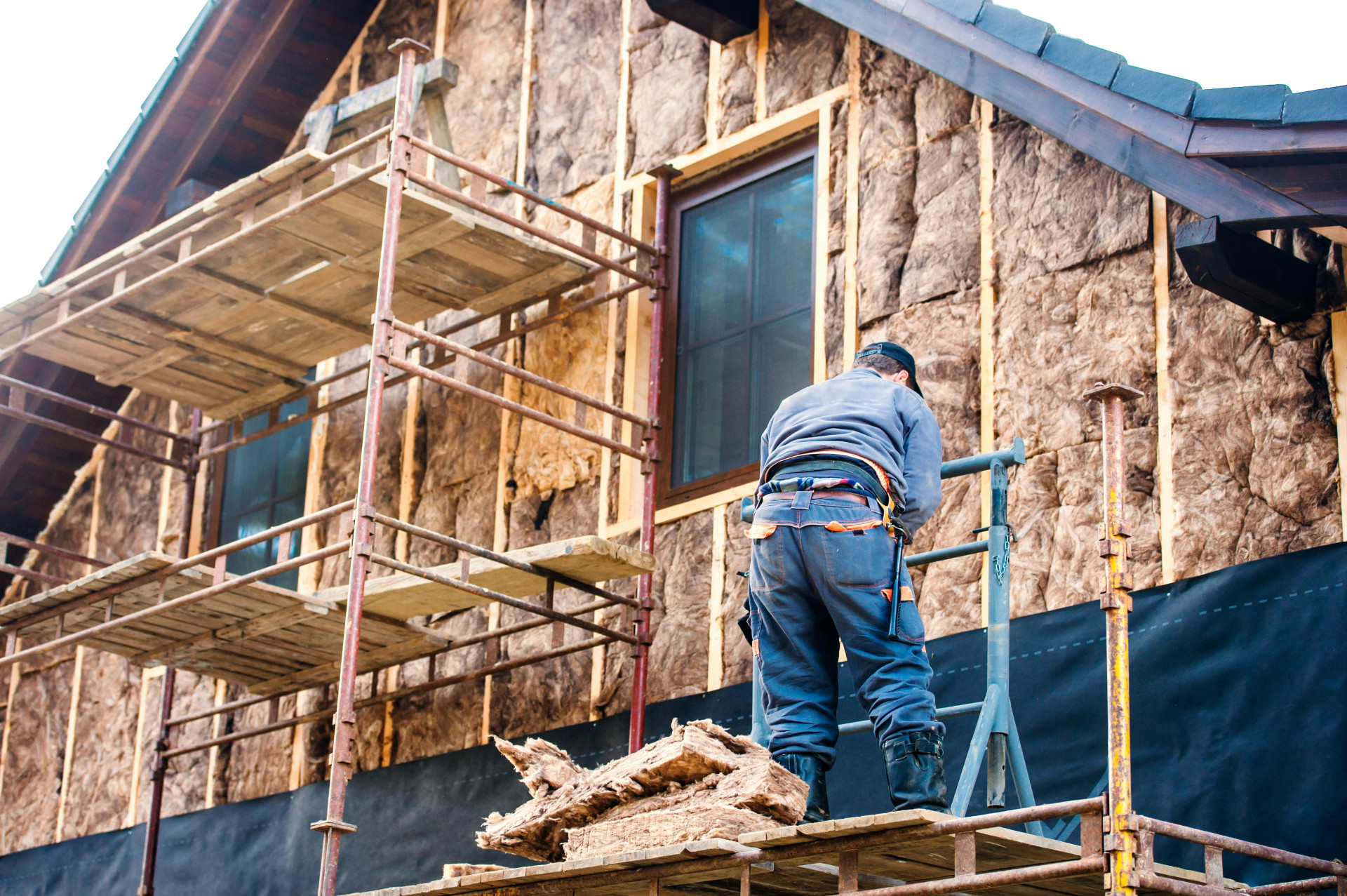
Layered Insulation: Combine Insulation Methods for Maximum Energy Efficiency
When it comes to improving your home’s energy performance, it’s not just about adding more insulation—it’s about using the right combination of materials and methods so they work together. By layering different types of insulation, each with its own strengths, you can achieve higher energy efficiency, better moisture control, and a more comfortable indoor environment. Here’s how to think in layers when planning your next insulation project.
Why Layer Insulation?
Traditionally, many homes rely on a single type of insulation—like fiberglass batts in the walls or attic. But different materials perform differently: some are better at blocking heat transfer, others at managing moisture or sound. By combining them, you can take advantage of each material’s benefits while minimizing their weaknesses.
A layered insulation system might include:
- Fiberglass or cellulose as the main thermal barrier to retain heat.
- Radiant barriers or reflective foil to reduce heat transfer through radiation.
- Natural or vapor-permeable materials like wood fiber or cotton for moisture regulation.
The result is a building envelope that’s energy-efficient, moisture-safe, and comfortable year-round.
Effective Combinations
There are many ways to combine insulation materials depending on your home’s design, location, and needs. Here are some of the most common and effective approaches:
1. Attic and Roof
The attic is one of the biggest sources of heat loss in winter and heat gain in summer. Combining traditional insulation (such as blown-in cellulose or fiberglass batts) with a radiant barrier under the roof deck can make a big difference. The radiant barrier reflects heat away in summer and helps retain warmth in winter—especially useful in homes with sloped roofs or unfinished attics.
2. Exterior Walls
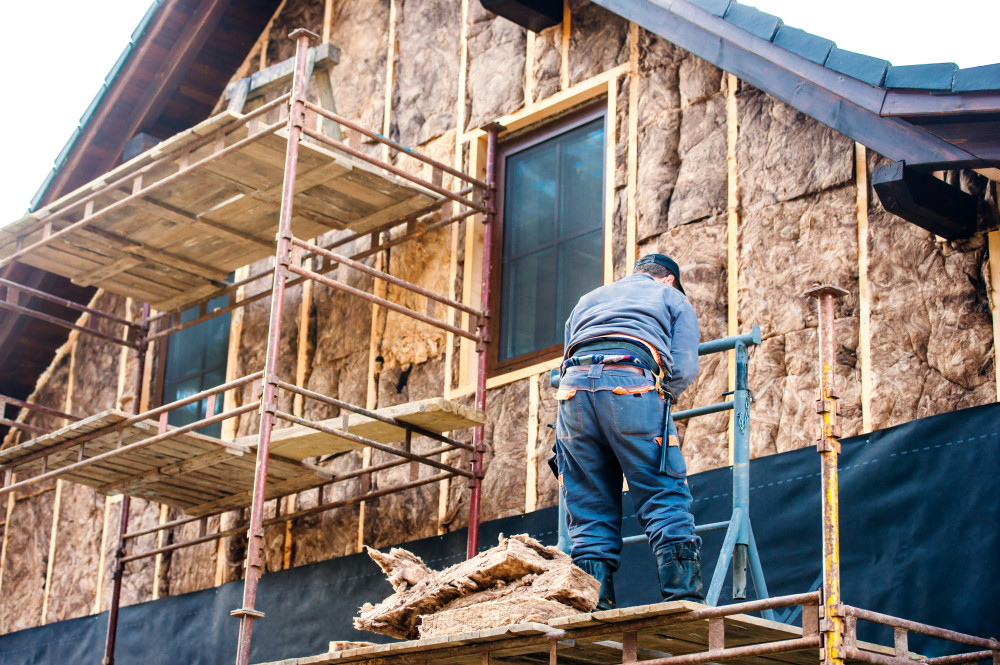
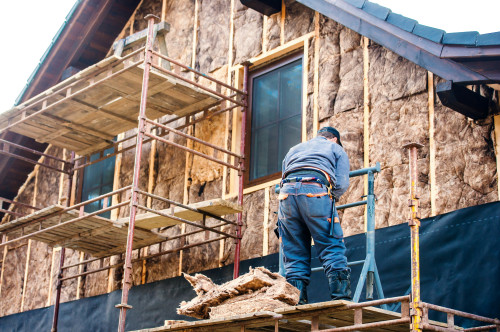
For exterior walls, you can combine interior insulation with exterior continuous insulation. The exterior layer—often rigid foam or mineral wool—reduces thermal bridging and protects against weather exposure, while the interior layer adds comfort and soundproofing. It’s important to ensure the wall assembly can still “breathe,” allowing moisture to escape while keeping water out.
3. Floors and Foundations
In basements or crawl spaces, combining rigid foam boards (like XPS or closed-cell spray foam) with softer insulation (such as fiberglass or mineral wool) can provide both moisture protection and thermal comfort. The rigid layer acts as a moisture barrier against the ground, while the softer layer improves insulation and sound absorption. In older homes, adding a capillary break or vapor barrier may be necessary to prevent moisture issues.
Moisture, Ventilation, and Air Sealing
When layering insulation, moisture control and ventilation are critical. A misplaced vapor barrier or overly tight layer can trap condensation and lead to mold. The general rule is to keep the structure tight on the inside and open on the outside—so moisture can escape outward but not enter from outside.
Good ventilation is also essential, especially after major insulation upgrades. A modern heat recovery ventilation (HRV) or energy recovery ventilation (ERV) system can help maintain fresh air without losing heat, improving both comfort and indoor air quality.
Cost and Energy Savings
While combining insulation methods may seem more expensive upfront, the investment often pays off quickly. A well-insulated home requires less energy for heating and cooling, leading to lower utility bills and a more stable indoor temperature throughout the year. In many states, you may also qualify for federal tax credits or local rebates through energy efficiency programs.
A properly designed layered insulation system can reduce heat loss by 30–40% compared to using a single insulation type—depending on your home’s condition and the quality of installation.
Do It Right from the Start
If you’re planning a major renovation or new construction, it’s wise to consult an energy auditor or building professional. They can assess your home’s thermal performance, calculate moisture levels, and ensure your insulation system meets local building codes and energy standards.
A well-executed layered insulation system is an investment in comfort, savings, and sustainability—and it can significantly extend the life of your home.
Læs også:
Layered Insulation – The Future Standard
As energy efficiency standards continue to rise across the U.S., layered insulation is becoming the new norm. It’s a method that combines the best of multiple materials: high thermal performance, moisture safety, and design flexibility. Whether you’re upgrading an older home or building new, the right combination of insulation layers can help you create a home that’s warm, healthy, and ready for the future.
Læs også: