The Home of the Future: Architects’ Take on Technology and Functional Design

The Home of the Future: Architects’ Take on Technology and Functional Design
How will we live in the decades to come? It’s a question that fascinates architects, urban planners, and homeowners alike. Rapid technological progress, environmental challenges, and shifting lifestyles are transforming the way we think about home. The house of the future isn’t just about aesthetics—it’s about flexibility, sustainability, and the seamless integration of technology. Here’s how architects envision the trends that will shape American homes in the years ahead.
Smart Homes – Technology as a Natural Extension of Life
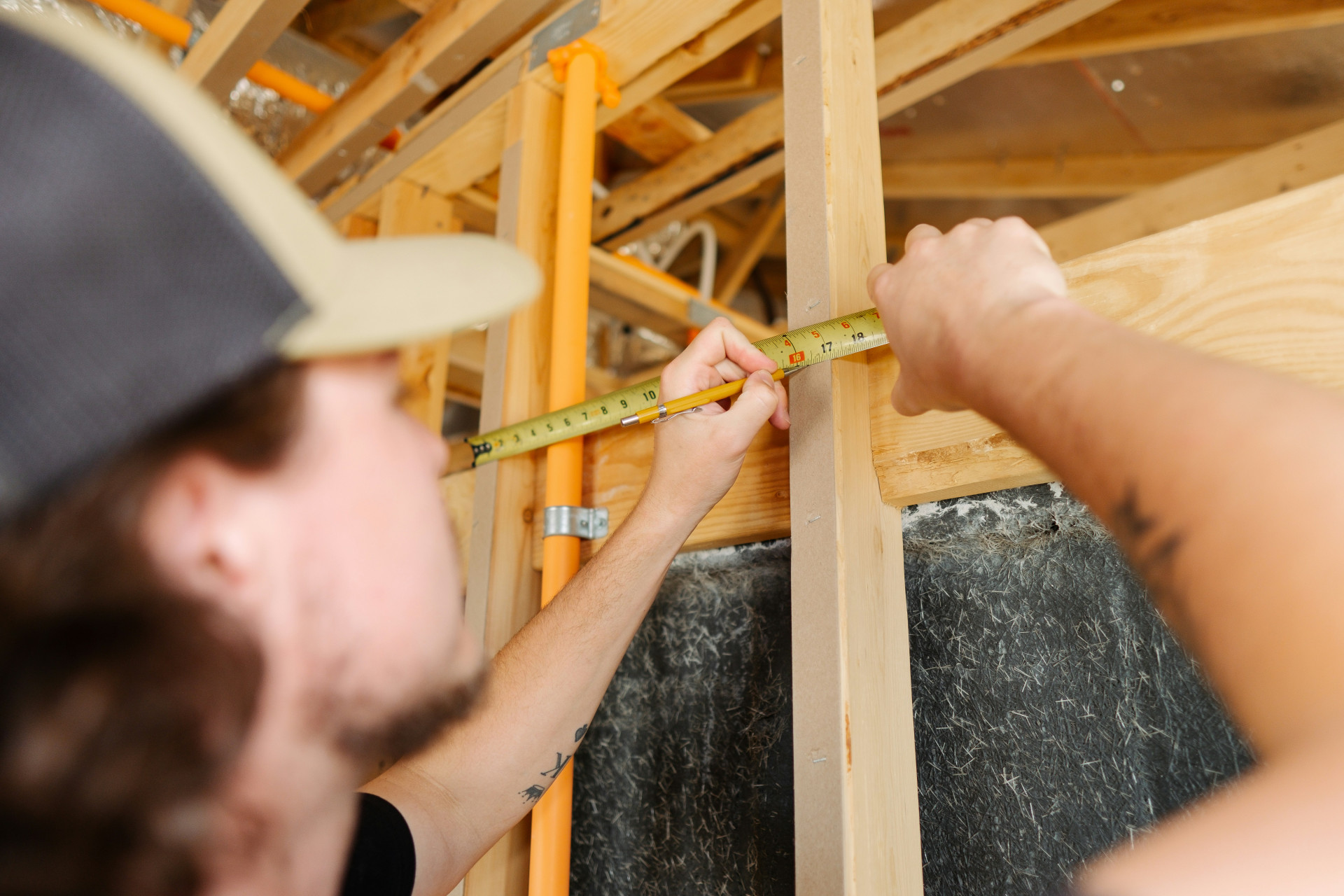
When most people think of “smart homes,” they picture voice-controlled lights or app-based thermostats. But architects are looking far beyond gadgets. The next generation of homes will have technology built into their very structure. Sensors that monitor air quality, humidity, and energy use will become standard, allowing the home to automatically adjust ventilation, lighting, and temperature for comfort and efficiency.
In the home of the future, technology will be invisible—embedded in walls, windows, and materials. The goal isn’t to create a high-tech showcase, but a living environment that intuitively responds to its occupants. It’s about comfort, yes, but also about reducing energy consumption and extending the building’s lifespan.
Flexible Spaces for a Changing Lifestyle
Our homes need to evolve as our lives do. Where we once designed around fixed functions—living room, bedroom, office—architects now focus on how spaces can transform as needs change. Movable walls, modular layouts, and multifunctional furniture make it possible to adapt a home without major renovations.
This flexibility is especially valuable in American cities, where space is at a premium and remote work has blurred the line between home and office. A 700-square-foot apartment can serve as a workspace by day and a social hub by night if designed thoughtfully. Architects talk about “transformative living”—homes that can expand, contract, or shift function throughout the day.
Sustainability as a Core Principle
The climate crisis has made sustainability a non-negotiable element of modern design. The home of the future won’t just consume less energy—it will be built from materials that can be reused, recycled, or biodegraded with minimal environmental impact. Reclaimed wood, recycled brick, and bio-based insulation are gaining traction, while circular design principles ensure that nothing goes to waste.
Solar panels, rainwater collection systems, and green roofs are becoming integral to architecture rather than add-ons. The home will act as part of a larger energy ecosystem—not just a consumer, but a producer. In the U.S., where renewable energy infrastructure is expanding rapidly, this means homes could help stabilize the grid and reduce dependence on fossil fuels.
Læs også:
Human-Centered Design – Technology with Empathy
Even as technology takes center stage, architects emphasize that the home must remain a deeply human space. It’s about light, acoustics, materials, and atmosphere—creating environments that feel safe, inspiring, and restorative. Technology should support human well-being, not dominate it.
This has led to a movement toward “warm technology”—solutions that are intuitive, discreet, and empathetic. Imagine a home that senses when you need fresh air or softer lighting, without you having to ask. The goal is to make technology feel like a natural extension of daily life, not an intrusion.
Community and New Ways of Living
The home of the future isn’t just about individual comfort—it’s also about community. Many architects predict a rise in shared living models, where resources such as workshops, guest rooms, and gardens are communal. This approach not only reduces environmental impact but also fosters social connection, something many Americans crave in an increasingly digital world.
Across the country, we’re seeing experiments with co-housing, micro-apartments, and modular developments that allow residents to move in and out as their needs change. These flexible communities reflect a more mobile, collaborative way of life.
A Home in Constant Evolution
The home of the future isn’t a fixed concept—it’s an ongoing process. It will evolve alongside technology, climate, and culture. The architect’s role is to design spaces that can adapt to change while preserving what makes a home truly human: comfort, beauty, and emotional warmth.
Looking ahead, one thing is clear: the homes of tomorrow won’t just be smarter—they’ll be more conscious. They’ll be places where design and technology work together to enhance quality of life, not just convenience.
Læs også: