From Root to Tip: How to Make the Most of the Whole Vegetable

From Root to Tip: How to Make the Most of the Whole Vegetable
In many American kitchens, a surprising amount of vegetables end up in the trash — stems, peels, and leaves that could have added flavor, texture, and nutrition to your meals. With a little creativity, you can use the entire vegetable from root to tip, saving money, reducing food waste, and discovering new ways to cook. Here’s how to make the most of every part of your produce.
Why Use the Whole Vegetable?
Using the whole vegetable isn’t just about being eco-friendly — it’s about flavor, resourcefulness, and respect for your food. Many of the parts we usually discard are packed with taste and nutrients. Carrot tops can become a bright, herby pesto; broccoli stems can be turned into a creamy soup; and potato peels can crisp up into a satisfying snack.
Reducing food waste also makes a real difference. According to the U.S. Department of Agriculture, American households throw away roughly 30–40% of the food supply each year. Making use of every edible part of your vegetables is one simple way to cut down on that waste.
Læs også:

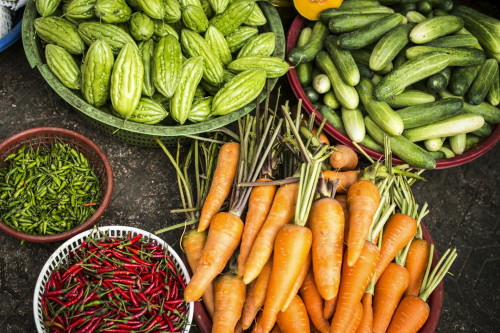
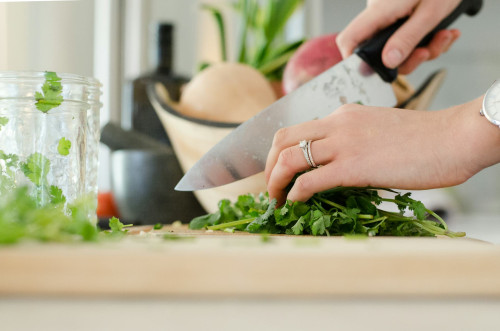
Discover the Hidden Potential of Your Produce
Every vegetable has overlooked parts that can shine in the kitchen. Here are a few ideas to get you started:
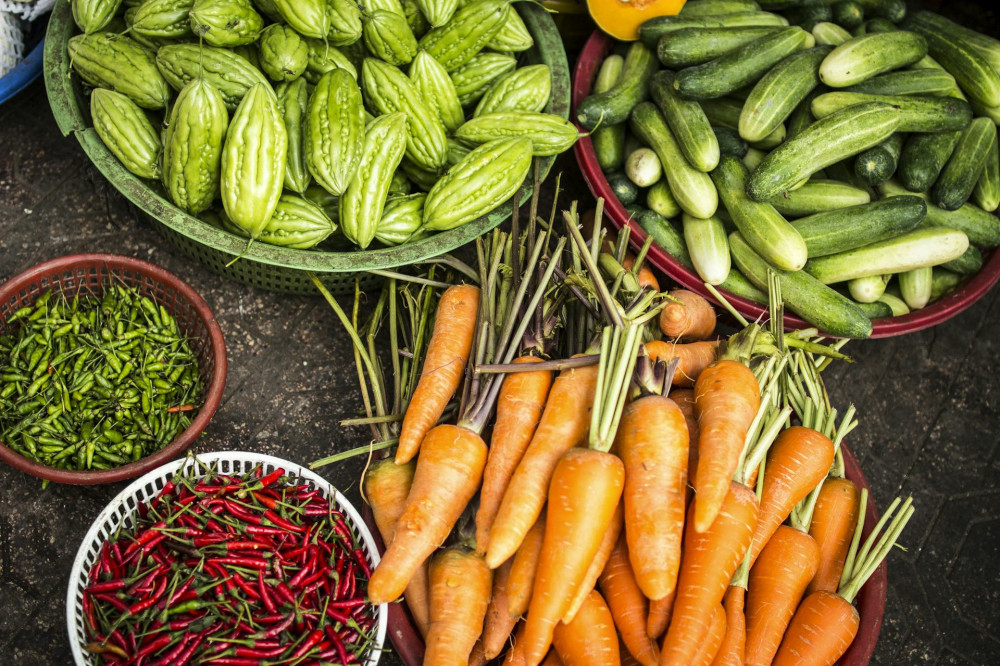
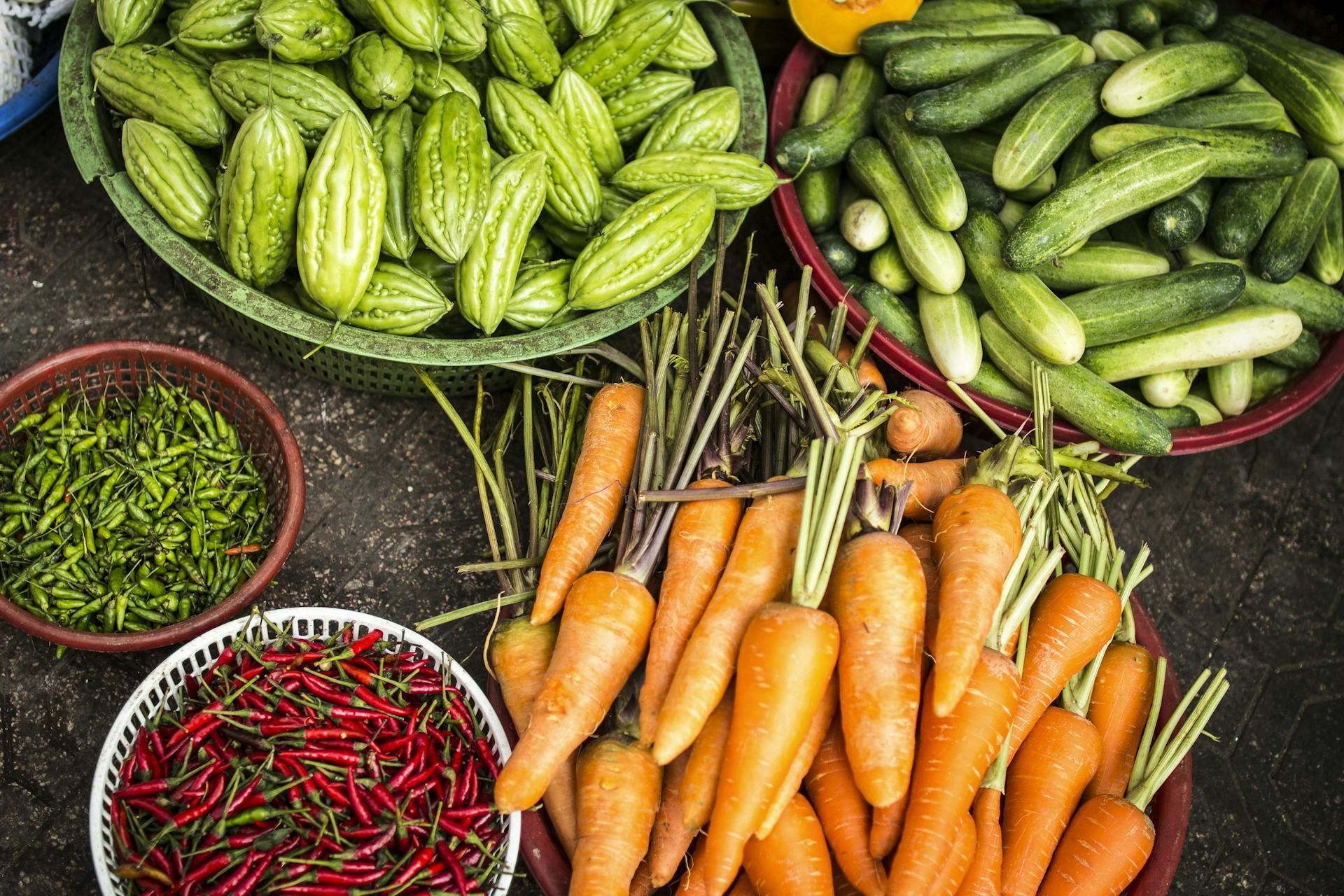
- Carrot tops – Blend them with olive oil, garlic, lemon juice, and nuts for a fresh pesto. Their slightly bitter, earthy flavor pairs beautifully with pasta or roasted vegetables.
- Broccoli stems – Peel the tough outer layer and slice the tender inside for stir-fries, soups, or slaws. They’re mild, crunchy, and full of fiber.
- Cauliflower leaves – Roast them with olive oil and salt until crisp, or chop them into salads for a subtle cabbage-like flavor.
- Leek greens – Simmer them in broth or use them to flavor homemade stock. They add depth and aroma to soups and stews.
- Potato peels – Toss them with oil and spices, then bake until golden and crisp. They make a great snack or topping for soups.
- Beet greens – Sauté them with garlic and olive oil or toss them raw into salads. They’re rich in vitamins and have a slightly earthy taste.
By rethinking what’s “edible,” you’ll not only stretch your groceries further but also discover new flavors and textures that can elevate your cooking.
Planning Your Root-to-Tip Cooking
Making the most of your vegetables takes a bit of planning, but it quickly becomes second nature. Here’s how to start:
- Wash thoroughly – Clean your vegetables well so you can safely use peels, stems, and leaves.
- Store smart – Keep greens and roots separate to extend freshness. Wrap leafy tops in a damp towel and refrigerate.
- Save scraps for stock – Freeze onion skins, carrot ends, and celery leaves in a bag. When you’ve collected enough, simmer them into a flavorful vegetable broth.
- Cook by texture – Tougher parts like stems and roots benefit from roasting or simmering, while tender leaves and tops are great raw or lightly sautéed.
- Plan a “use-it-up” meal – Once a week, make a soup, stir-fry, or frittata using leftover bits and pieces.
Creative Ways to Use Vegetable Leftovers
Once you start experimenting, you’ll see how versatile your vegetable scraps can be. Try these ideas:
- Veggie chips – Turn potato, beet, or parsnip peels into crispy chips.
- Pesto and dips – Blend carrot tops, kale stems, or herbs that are past their prime into pesto or hummus.
- Soups and purées – Simmer stems and peels with spices, then blend for a smooth, comforting soup.
- Pickles – Quick-pickle leftover stems or peels in vinegar, sugar, and spices for a tangy side dish.
- Smoothies – Add beet greens, spinach stems, or carrot tops to smoothies for extra nutrients and color.
Building a Greener Kitchen, One Step at a Time
Root-to-tip cooking starts with awareness. You don’t have to overhaul your habits overnight — just begin with one vegetable at a time. As you get used to using every part, it becomes a natural part of your cooking routine.
Get the whole family involved, too. Kids can help wash, chop, and taste new creations, learning firsthand how fun and rewarding it is to waste less.
Flavor, Health, and Sustainability in Harmony
Using the whole vegetable means getting more food for your money, more nutrients on your plate, and less guilt about what ends up in the trash. Many of the parts we throw away are actually the most nutrient-dense — full of fiber, vitamins, and minerals.
Root-to-tip cooking isn’t about perfection; it’s about progress. With small, mindful steps, you can create meals that taste great, nourish your body, and help build a more sustainable kitchen — one vegetable at a time.
Læs også: