The right equipment for slow-cooked dishes – how to get the most out of your pots and pans

The right equipment for slow-cooked dishes – how to get the most out of your pots and pans
When the weather turns cooler and the days grow shorter, few things feel as comforting as a slow-cooked meal. The aroma of meat, vegetables, and spices melding together over hours can turn an ordinary evening into something special. But great results don’t come from patience alone – they also depend on having the right equipment. Here’s a guide to choosing and using pots, pans, and tools that will help your slow-cooked dishes reach their full potential.
The pot – the heart of every slow-cooked dish
The pot you choose determines how your dish develops. Slow cooking is all about steady heat and moisture retention, so your cookware needs to hold both well.
- Cast iron Dutch ovens are the gold standard. They distribute heat evenly and retain it for hours, ensuring a gentle simmer without scorching. They can go from stovetop to oven, making them perfect for everything from beef stew to braised short ribs.
- Enameled cast iron offers the same heat performance with a smooth, easy-to-clean surface that doesn’t require seasoning. Brands like Le Creuset and Lodge are popular choices in American kitchens.
- Stainless steel pots are lighter and heat up faster, but they don’t retain warmth as well. They’re best for dishes with plenty of liquid or shorter cooking times.
- Pressure cookers and Instant Pots are for those who want slow-cooked flavor in a fraction of the time. They use high pressure to tenderize meat quickly, though they require some practice to balance flavor and texture.
Whatever pot you choose, make sure it has a heavy, tight-fitting lid. This keeps steam from escaping too quickly and helps your dish stay moist and flavorful.
Tools that make a difference
While the pot is the star, the right tools can make cooking easier and more precise.
- Wooden or silicone spoons are ideal for stirring without scratching your cookware. They’re heat-resistant and easy to clean.
- A meat thermometer is essential for checking internal temperatures, especially for large cuts like roasts or pork shoulder.
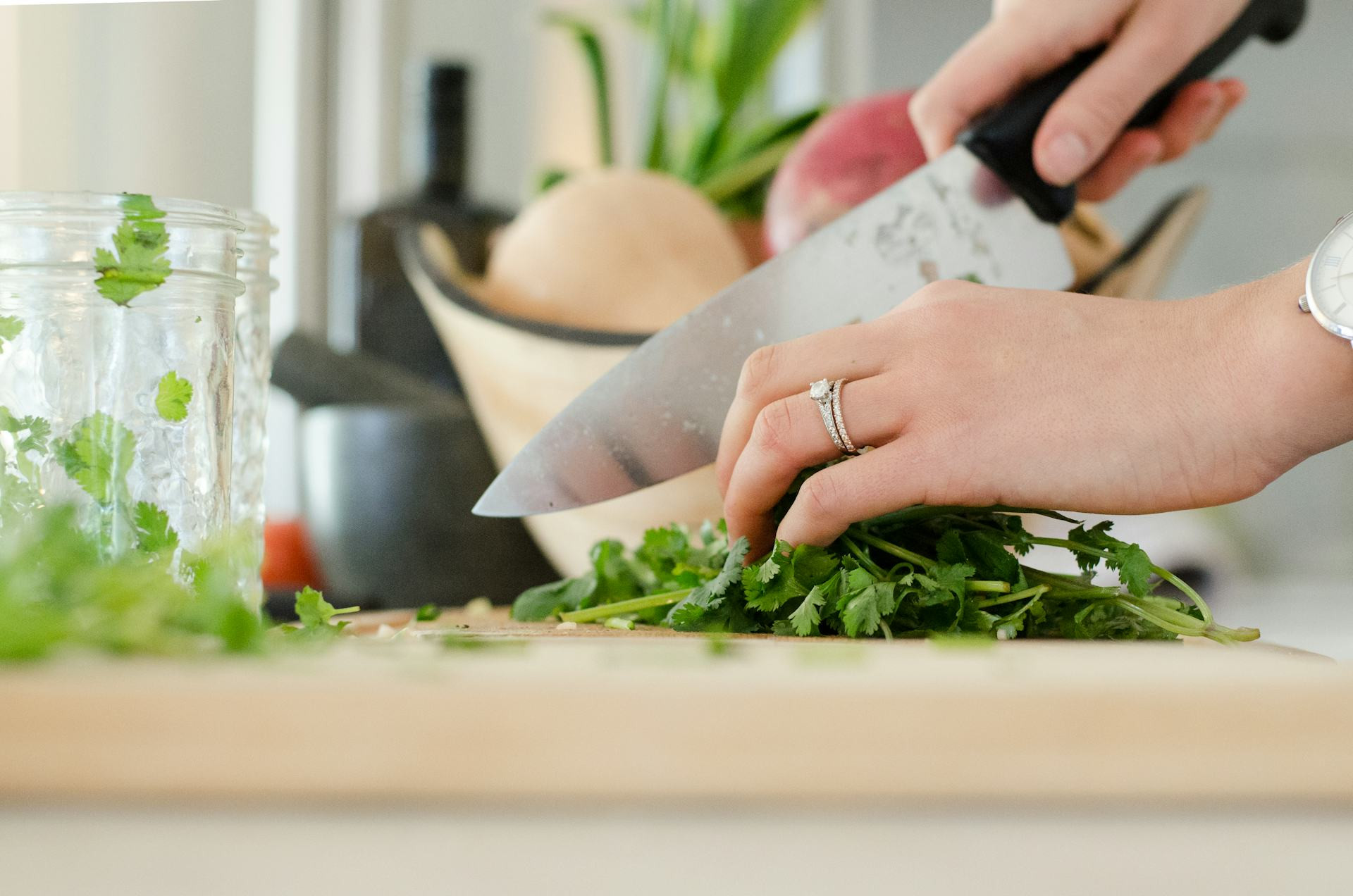
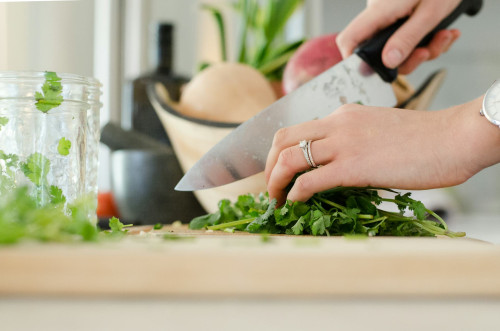
- Sharp knives make prep work faster and more accurate. A good chef’s knife and a sturdy paring knife will cover most needs.
- A fine-mesh strainer or slotted spoon helps remove impurities from broths or lift vegetables without losing liquid.
- Oven mitts and tongs may seem minor, but they’re indispensable when handling hot, heavy pots and lids.
Materials and maintenance
Quality cookware can last a lifetime if you care for it properly. Bare cast iron needs special attention – avoid soap, dry it thoroughly after washing, and season it regularly to prevent rust. Enameled cast iron, on the other hand, can handle soap and even the dishwasher, though metal utensils can scratch the surface.
Stainless steel may develop heat stains over time, but a little vinegar or lemon juice will bring back its shine. Remember: the more you use your cookware, the better it performs. A well-loved pot tells the story of many good meals.
Læs også:
Accessories that enhance the experience
Once you’ve mastered your main pot, a few extra tools can make slow cooking even more enjoyable.
- Heat diffusers or simmer plates help if your stovetop runs hot or uneven. They ensure a gentle, consistent simmer.
- High-quality oven gloves – whether fabric or silicone – give you a secure grip when moving heavy pots from stove to oven.
- Storage containers and glass jars are perfect for leftovers. Slow-cooked dishes often taste even better the next day.
Getting the most out of your pot
Great slow cooking isn’t just about equipment – it’s about technique. Always start by browning your meat thoroughly to build deep flavor. Then deglaze the pot with wine, broth, or water to capture all those caramelized bits at the bottom.
Let your dish simmer gently – small bubbles are enough. Too much heat can dry out meat and overcook vegetables. And remember, time is an ingredient: the longer your dish rests and simmers, the richer the flavor becomes.
An investment in flavor and calm
Slow cooking is a peaceful ritual in a fast-paced world. It rewards patience with tender textures, layered flavors, and a home filled with warmth. With the right equipment, the process becomes not just easier, but more enjoyable.
So next time you set a pot on the stove, think of it as more than just cookware. A good pot isn’t just a kitchen tool – it’s an investment in comfort, flavor, and the simple pleasure of a meal made slowly and with care.
Læs også: