Store Food Properly and Avoid Food Waste

Store Food Properly and Avoid Food Waste
Food waste is one of the biggest environmental challenges in our daily lives—but it’s also an area where we can easily make a difference. A large portion of the food that ends up in the trash could have been eaten if it had been stored correctly. With a little knowledge about temperatures, packaging, and shelf life, you can save money and reduce your environmental footprint. Here’s a guide to help you store food properly and avoid unnecessary waste.
Understand “Best By” and “Use By” Dates
One of the most common reasons food gets thrown away is confusion about date labeling.
- “Use By” dates appear on perishable items like meat, fish, and dairy. These products should not be eaten after the date has passed, as safety could be at risk.
- “Best By” dates, on the other hand, refer to quality, not safety. Many dry goods, canned foods, and snacks are still safe to eat after this date if they look, smell, and taste normal.
Trust your senses—look, smell, and taste before you toss. Often, food is still perfectly fine even after the printed date.
Make the Most of Your Refrigerator
Your refrigerator isn’t the same temperature everywhere. By storing food in the right zones, you can extend its freshness and reduce waste.
- Top shelf: The most consistent temperature—great for leftovers, drinks, and ready-to-eat foods.
- Middle shelves: Ideal for dairy products like yogurt, cheese, and butter.
- Bottom shelf: The coldest area—best for raw meat, poultry, and seafood.
- Crisper drawers: Slightly warmer and more humid—perfect for fruits and vegetables.
- Door shelves: The warmest part of the fridge—use for condiments, jams, and juices.
Keep your refrigerator at about 40°F (4°C) or below to slow bacterial growth and preserve freshness.
Freezing – Your Best Ally Against Waste
Your freezer is one of the most effective tools for preventing food waste. Almost anything can be frozen—leftovers, bread, cheese, fruit, and even cooked meals.
- Use airtight packaging to prevent freezer burn.
- Label and date everything so you know what you have.
- Freeze in small portions so you can thaw only what you need.
- Thaw safely in the refrigerator, not on the counter, to maintain quality and safety.
Most foods can be kept frozen for 3–12 months, depending on the type and packaging.
Fruits and Vegetables – Not Everything Belongs in the Fridge
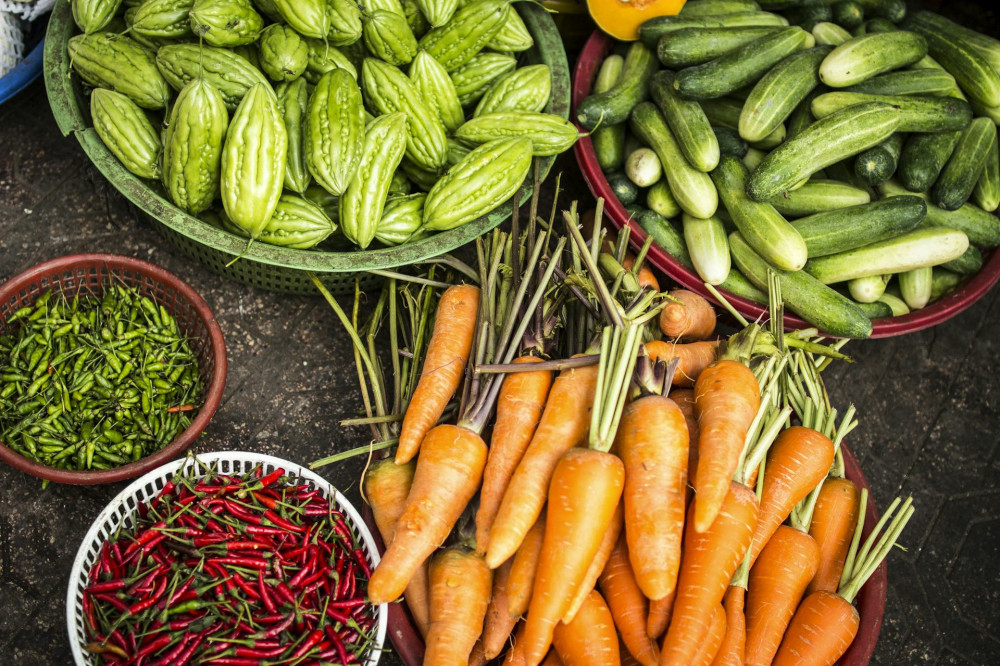
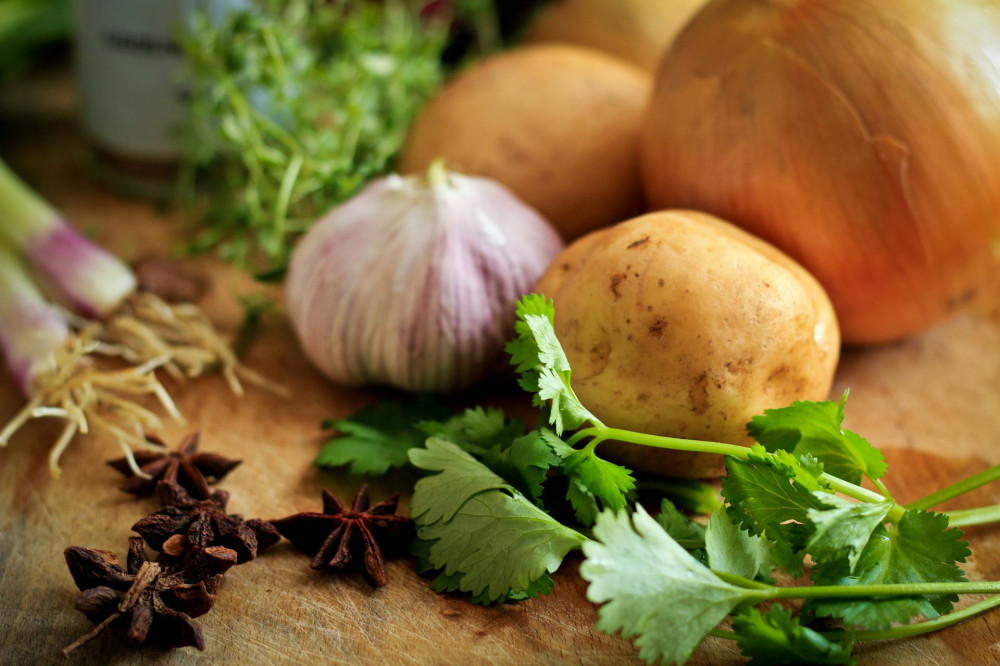
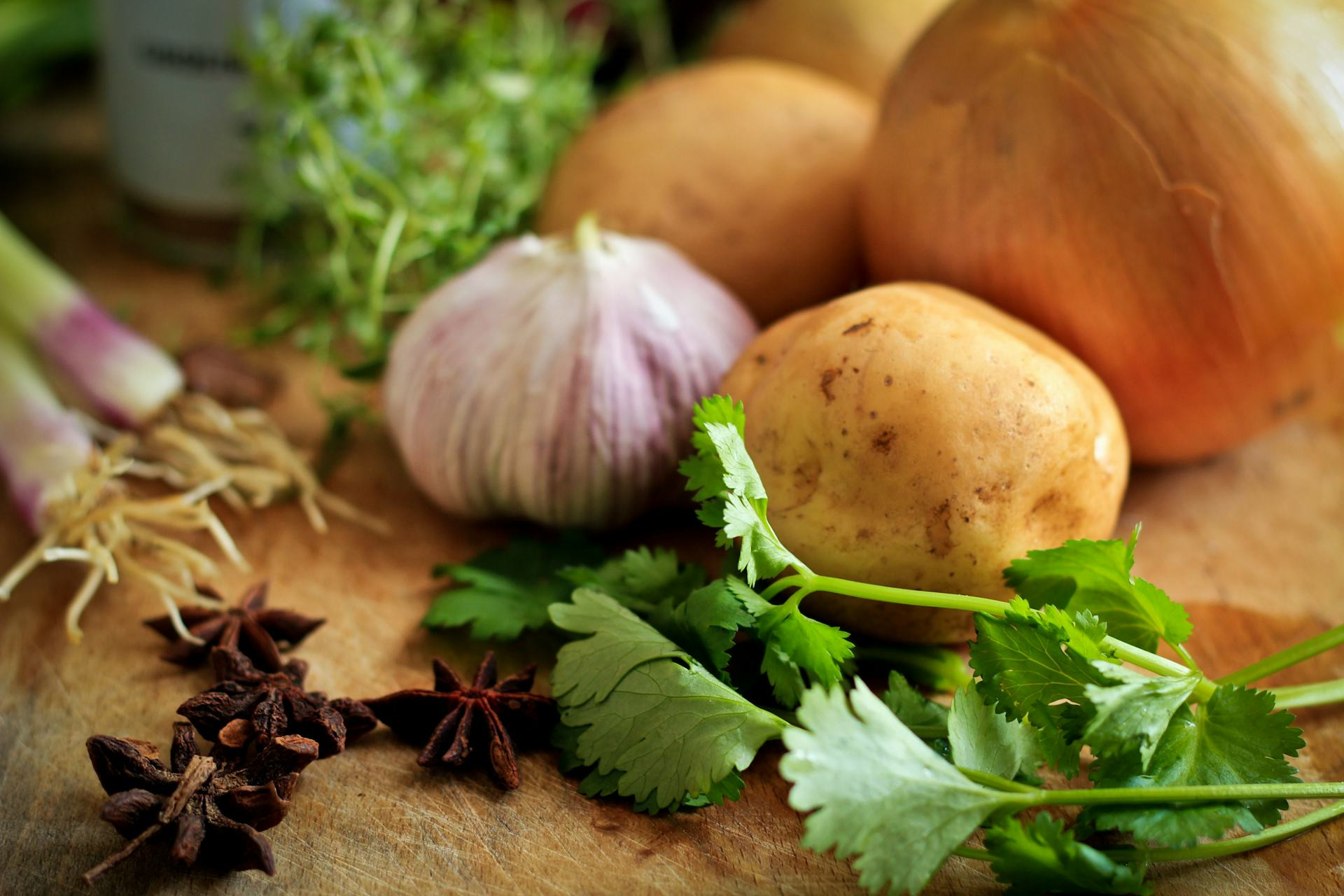
Some produce stays fresher at room temperature. Tomatoes, bananas, cucumbers, and citrus fruits lose flavor and texture when stored too cold. Potatoes, onions, and garlic should be kept in a cool, dark place—but not in the refrigerator, as cold temperatures can change their taste and texture.
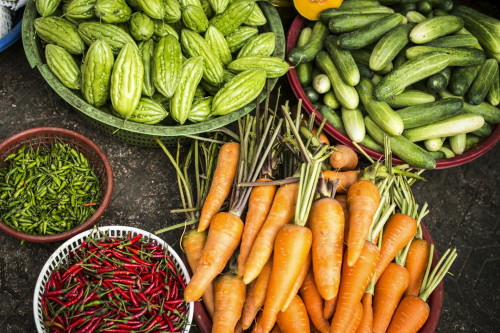
Vegetables like carrots, broccoli, and leafy greens do best in the crisper drawer, ideally in a slightly damp bag to prevent drying out. A good tip: store fruits and vegetables separately. Some fruits, especially apples and bananas, release ethylene gas, which can cause nearby produce to ripen—and spoil—faster.
Læs også:
Leftovers and Cooked Meals
Leftovers are valuable—if handled properly. Cool food quickly after cooking and refrigerate it within two hours. Use airtight containers to keep food from drying out or absorbing other odors. Most leftovers last 3–4 days in the fridge, but you can freeze them if you won’t eat them in time.
Create a “Eat Me First” section in your fridge for items that need to be used soon. It’s a simple way to make sure nothing gets forgotten.
Plan Ahead and Stay Mindful
The best way to reduce food waste is through planning. Make a shopping list, check what you already have, and buy only what you’ll use. Think about flexible meals where ingredients can be reused—like vegetables that work in salads, soups, or omelets.
Small changes in your daily habits can make a big difference—for the planet, and for your wallet.
Læs også: