Small Changes, Big Difference: Healthier Eating Habits for Everyday Life

Small Changes, Big Difference: Healthier Eating Habits for Everyday Life
Eating healthy doesn’t have to mean giving up your favorite foods or following strict diets. In fact, small, intentional changes in your daily routine can make a big difference in your energy, mood, and long-term health. It’s about building habits that fit into real life — with work, family, and busy schedules — rather than chasing perfection. Here are some simple ways to make healthier eating a natural part of your everyday life.
Start with One Habit at a Time
When you decide to eat healthier, it’s tempting to try to change everything at once. But research shows that small, steady steps are more effective in the long run. Choose one area to focus on — like eating more vegetables, cutting back on sugary drinks, or having breakfast every morning — and build from there.
This approach helps you stay consistent without feeling overwhelmed. Once one habit feels natural, move on to the next. Over time, these small shifts add up to lasting change.
Make Healthy Choices Easy
Healthy eating becomes much simpler when good options are within reach. Stock your fridge with fresh produce, whole grains, and nutritious snacks, and make less healthy choices less convenient. Wash and cut up fruits and veggies ahead of time, keep nuts or baby carrots on the counter, and have a water bottle ready instead of soda.
Even small environmental changes can have a big impact. If you keep fruit visible on the kitchen counter, you’ll likely eat it more often — without even thinking about it.
Practice Mindful Eating
Many of us eat quickly or while distracted, barely noticing what we’re consuming. Try slowing down and paying attention to the taste, smell, and texture of your food. This helps your body recognize when it’s full, so you eat less but feel more satisfied.
A simple trick is to put your fork down between bites or take a sip of water during your meal. Giving your brain time to catch up with your stomach not only helps with portion control but also makes eating more enjoyable.
Swap Instead of Cutting Out
Healthy eating isn’t about strict rules or deprivation — it’s about finding better alternatives. For example:
- Choose whole-grain bread instead of white bread.
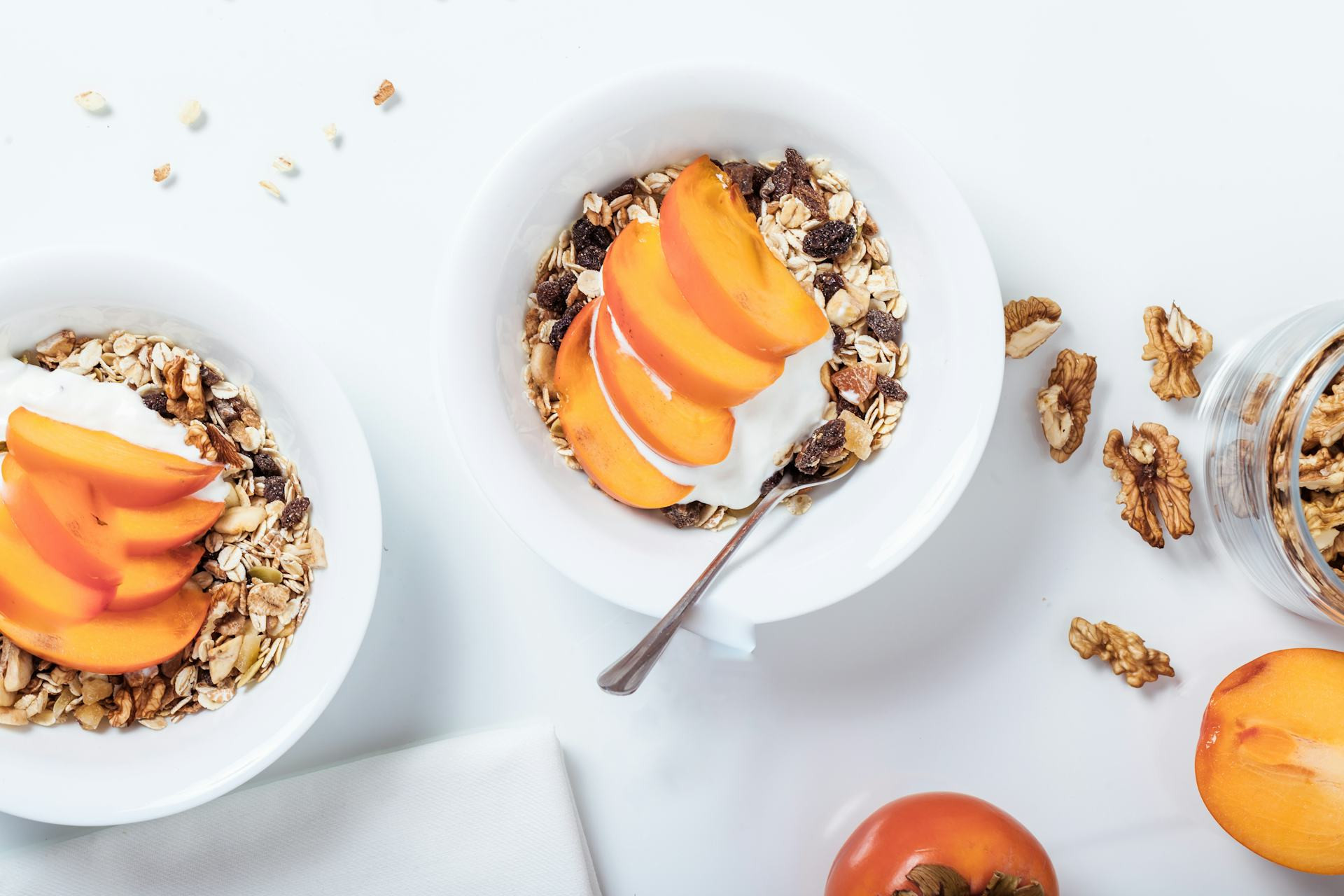
- Use plain Greek yogurt instead of sweetened varieties.
- Replace soda with sparkling water and a splash of lemon or lime.
- Cook with olive oil instead of butter.
These small swaps can help you get more fiber, less sugar, and healthier fats — without feeling like you’re missing out.
Plan Ahead
One of the biggest challenges in a busy lifestyle is finding time to prepare healthy meals. Planning ahead can make all the difference. Create a weekly meal plan and grocery list to avoid last-minute takeout decisions. It saves time, money, and stress.
Cooking larger portions and saving leftovers for lunch the next day can also help you stay on track. When healthy food is ready to go, you’re less likely to reach for fast food or snacks on the run.
Læs også:


Enjoy the Process
Healthy eating should never feel like punishment. Food is meant to be enjoyed. Allow yourself treats in moderation — a slice of cake, a favorite snack, or a glass of wine — just not every day. When you eat with awareness and balance, it’s easier to maintain good habits without feeling restricted.
In the end, eating well is about creating a lifestyle that supports your well-being. Small changes may seem minor at first, but over time, they can make a big difference — for both your body and your mind.
Læs også: